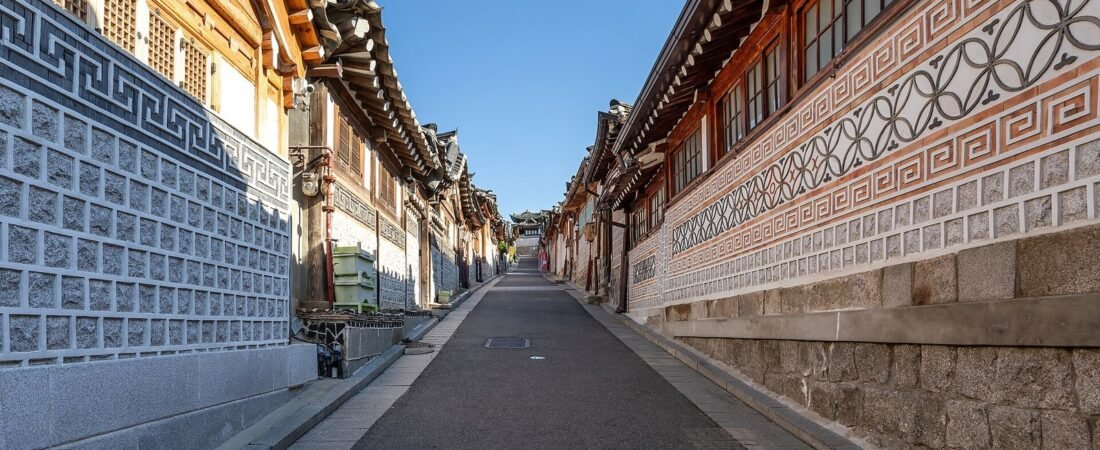
Tiled roofs, wooden gates and narrow stone alleys with a view over downtown Seoul: Bukchon Hanok Village is the picture many people have in mind when they imagine traditional Korea. Unlike a museum village, about 6,000 people still live here, which makes a visit both special and something to do respectfully.
Why visit Bukchon Hanok Village
Bukchon, meaning 'northern village', lies between Gyeongbokgung and Changdeokgung, two royal palaces of the Joseon Dynasty. For about 600 years it was home to high-ranking officials and noble families. Most hanok (traditional Korean houses) you see today were rebuilt in the 1920s–1930s, with curved tile roofs, wooden beams and inner courtyards.
- The classic rooftop view along Bukchon-ro 11-gil
- Bukchon Culture Center: a restored hanok with free exhibits and maps
- Traditional craft workshops, small museums and tea houses
- Samcheong-dong's galleries and cafes just next door
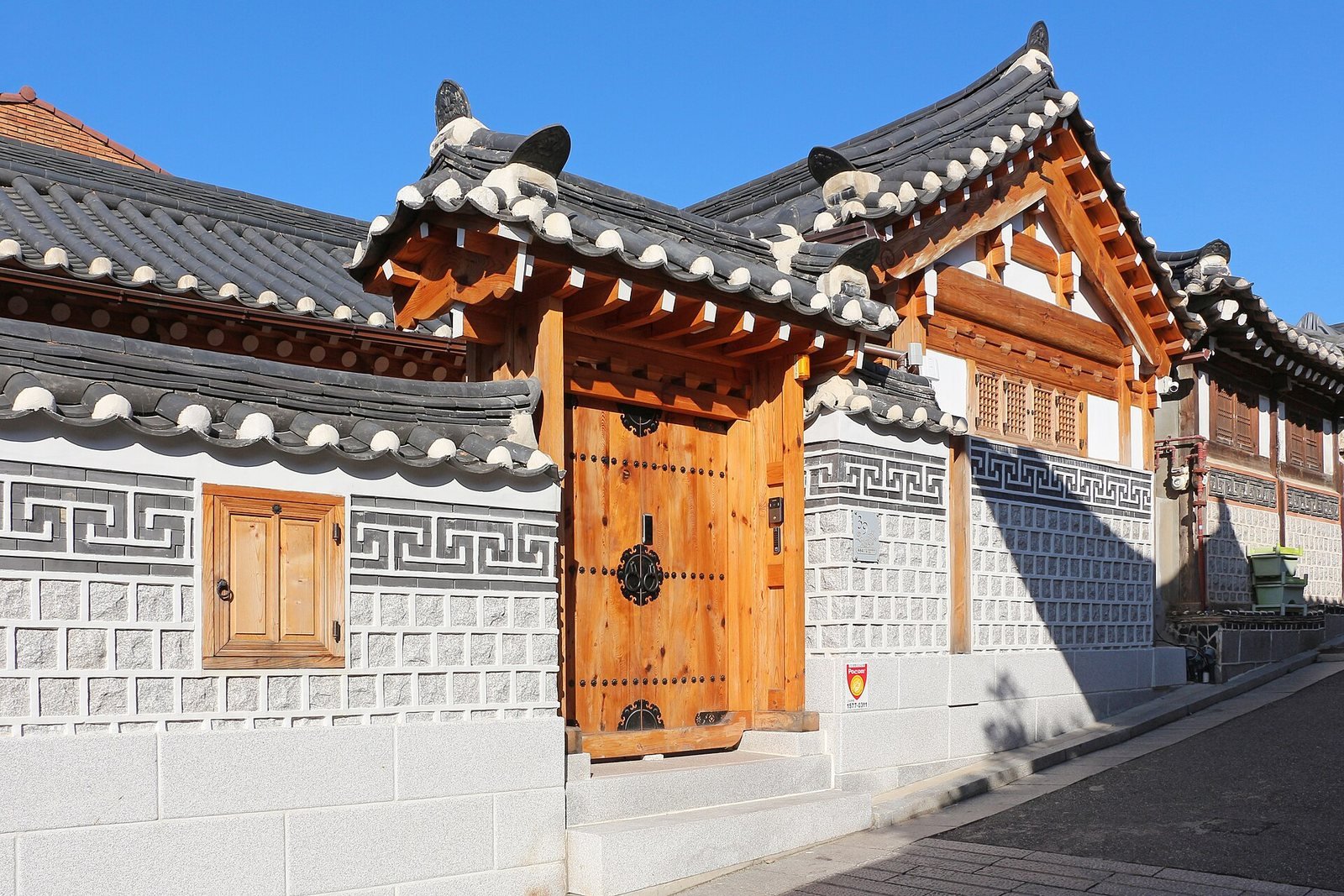
Photo: Bgag / CC0 / via Wikimedia Commons
Important: Bukchon visiting hours (Red Zone)
To protect residents, Seoul made the core of Bukchon a Special Management Zone in November 2024. In the 'Red Zone' around Bukchon-ro 11-gil, tourists may visit only from 10:00 to 17:00. Since March 2025, visitors there outside these hours can be fined KRW 100,000.
| Item | Details |
|---|---|
| Location | Around 37 Gyedong-gil, Jongno-gu, Seoul (Bukchon Culture Center) |
| Visiting hours | Red Zone: 10:00–17:00 only |
| Admission | Free (some workshops and museums charge separately) |
| Bukchon Culture Center | About 09:00–18:00, free |
| Etiquette | Keep quiet, don't eat in the alleys, never open gates or photograph inside homes |
How to get to Bukchon Hanok Village
By subway
- Take Line 3 (orange) to Anguk Station (안국역).
- Use Exit 2 and walk uphill along Bukchon-ro for 5–10 minutes.
- The Bukchon-ro 11-gil viewpoints are about 10–15 minutes further up.
- From Seoul Station: Line 1 to Jongno 3-ga, then Line 3 one stop to Anguk (about 20–25 minutes).
- From Gangnam/Express Bus Terminal: Line 3 straight to Anguk, no transfer (about 25–30 minutes).
- Fare: about KRW 1,550 with a T-money card.
Bukchon is also a 10–15 minute walk from both Gyeongbokgung and Changdeokgung, so it fits easily into a palace day.
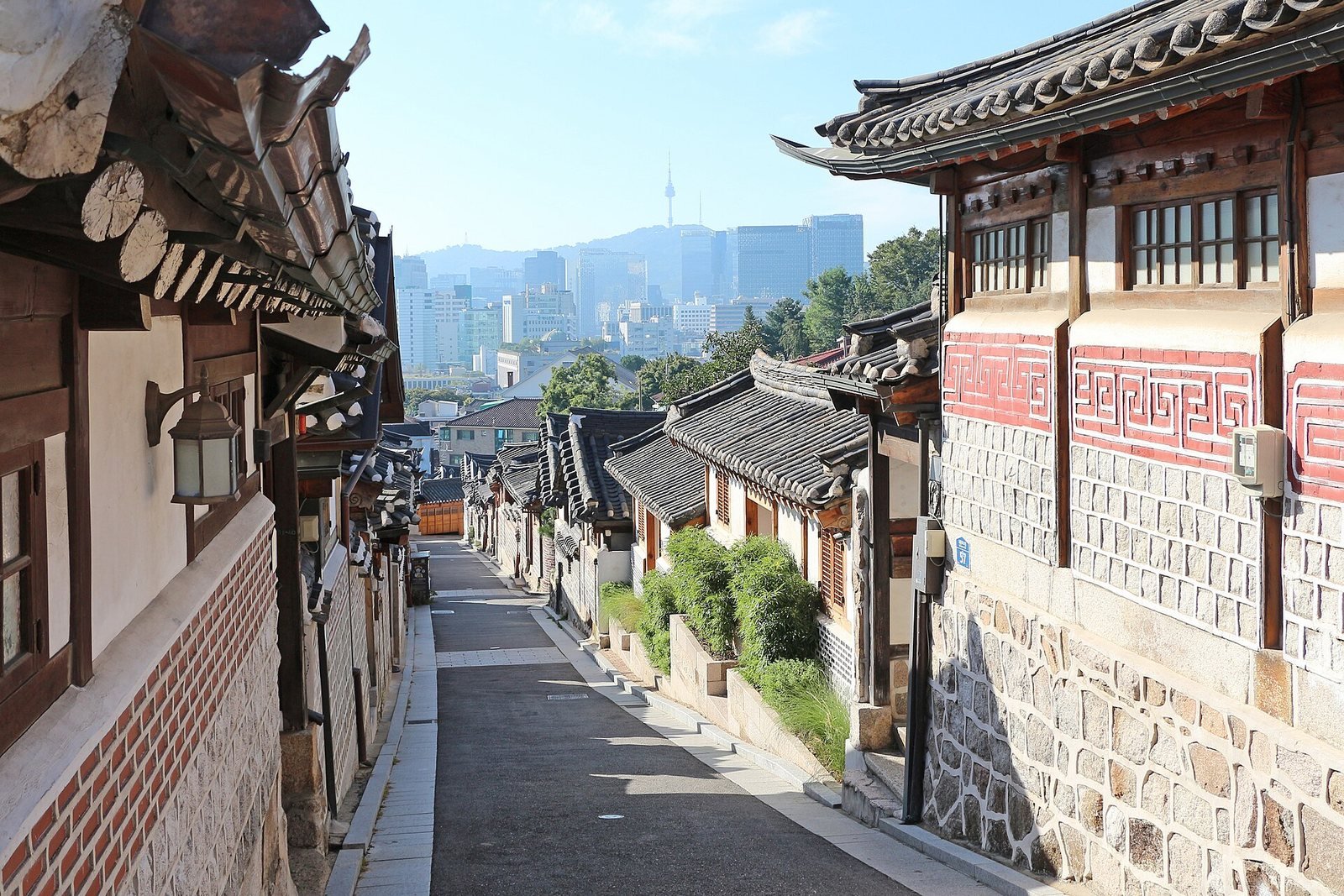
Photo: Bgag / CC0 / via Wikimedia Commons
Where to eat near Bukchon
- Hwangsaengga Kalguksu (황생가칼국수): Michelin Bib Gourmand knife-cut noodles in milky beef-bone broth, plus big handmade dumplings. Noodles about KRW 12,000. Expect a line at lunch.
- Samcheong-dong Sujebi (삼청동수제비): a long-time local favorite for hand-torn dough soup with potato pancakes.
- The Second Best Place in Seoul (서울서 둘째로 잘하는 집): a traditional tea house open since the 1970s, famous for sweet red bean porridge.
- Tosokchon Samgyetang (토속촌삼계탕): Seoul's best-known ginseng chicken soup, one subway stop away near Gyeongbokgung Station.
Travel tips
- Arrive right after 10:00 on a weekday for the quietest alleys.
- Wear comfortable shoes: the alleys are steep, with stairs.
- Rent a hanbok near Anguk Station; it also gets you free entry to Gyeongbokgung and Changdeokgung.
- Don't come by tour bus or car. Parking is very limited and large buses are being restricted.
- For evening strolls, head to Samcheong-dong or Insadong instead of the Red Zone.
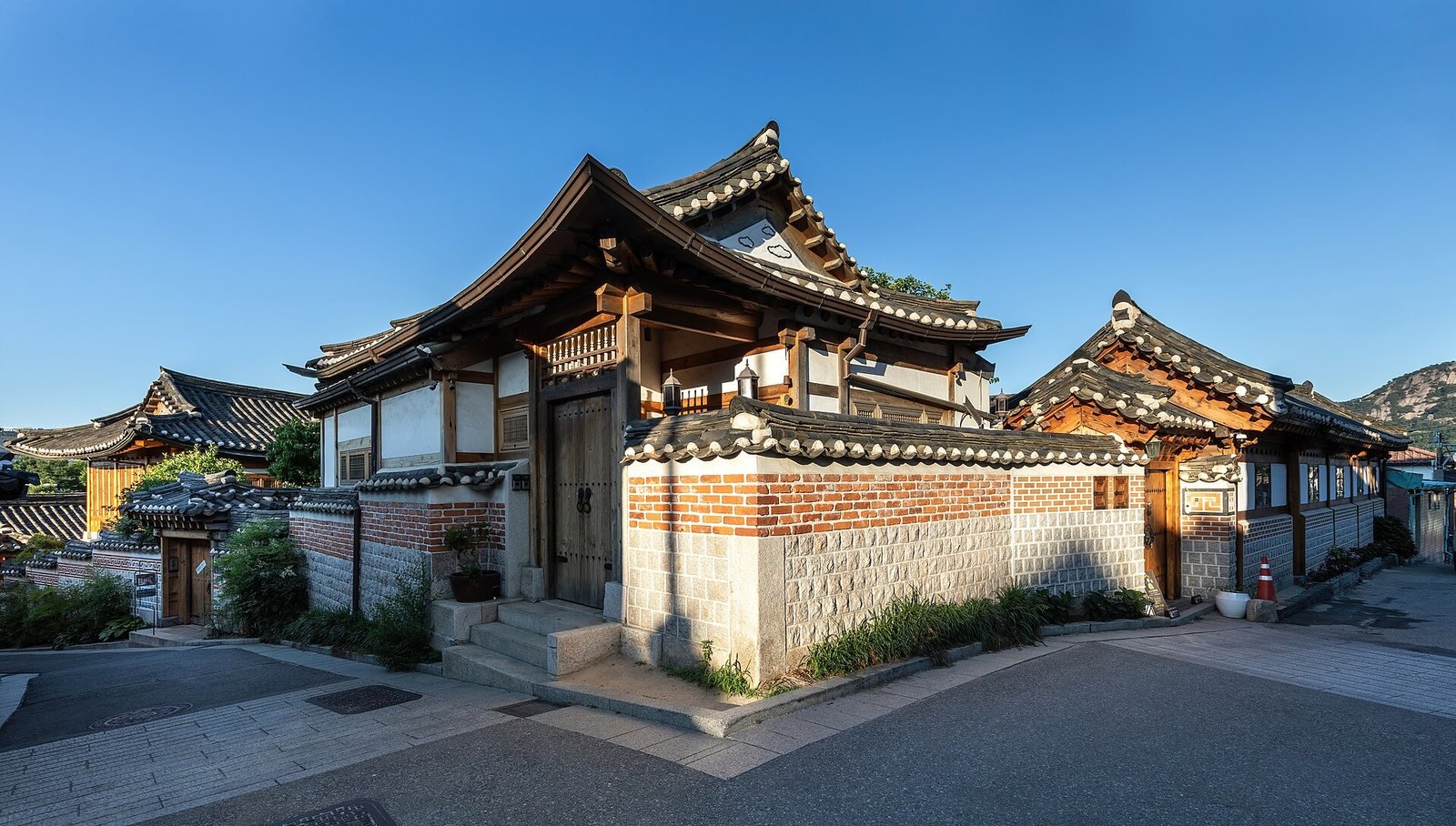
Photo: Basile Morin / CC BY-SA 4.0 / via Wikimedia Commons
FAQ
Q. What are the visiting hours of Bukchon Hanok Village?
A. In the Red Zone (Bukchon-ro 11-gil area), tourists may visit only from 10:00 to 17:00.
Q. Is Bukchon Hanok Village free?
A. Yes. Walking the village is free. Some workshops and small museums charge an entry fee.
Q. Which subway station is closest to Bukchon?
A. Anguk Station on Line 3. Use Exit 2.
Featured image: Bukchon-ro 11-gil alley with hanok houses in Bukchon Hanok Village, Seoul. Photo: Basile Morin / CC BY-SA 4.0 / via Wikimedia Commons
Sources
- Seoul Metropolitan Government – Bukchon Special Management Zone
- Seoul Media Hub – Bukchon management plan
- Michelin Guide – Hwangsaengga Kalguksu
- SCMP – Bukchon curfew
Opening hours, fares and prices can change. Please check official websites before you travel. Information as of October 2026.
Related Guides
- Hwaseong Fortress Day Trip from Seoul: Guide & Food
- Jongmyo Shrine Seoul: Hours, Tickets, Subway & Food
- Bulguksa & Seokguram: KTX from Seoul, Buses & Food