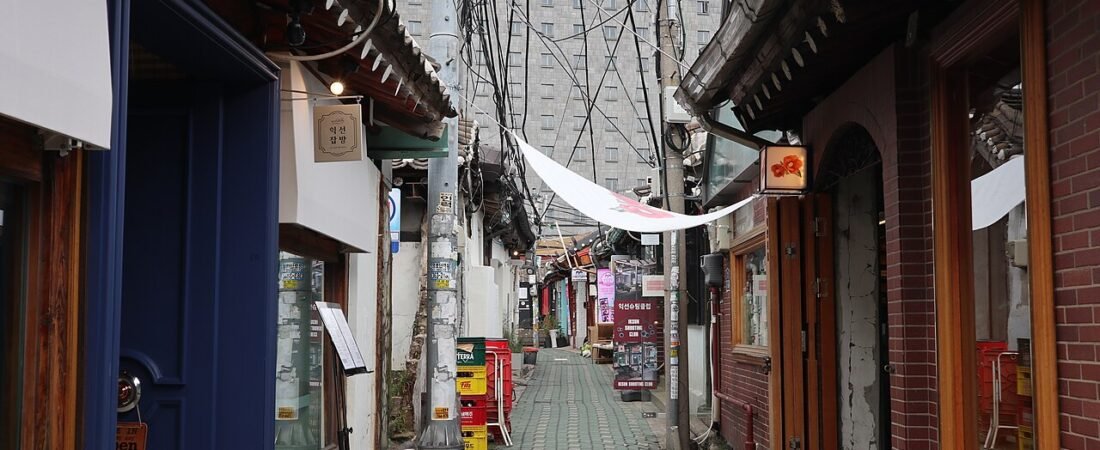
Looking for trendy Seoul cafes and restaurants that young Koreans actually line up for? Skip the chain stores. The places that fill Instagram and TikTok feeds in 2026 sit in three old neighborhoods: the hanok alleys of Jongno-gu, the printing-shop backstreets of Euljiro in Jung-gu, and the converted factories of Seongsu-dong in Seongdong-gu. Here are 10 spots—six cafes and bakeries, four restaurants and pubs—worth building a day around.
Every pick below is a real, operating business with an address, opening hours and the nearest subway station, so you can plan a route on Naver Map or KakaoMap. Hours change often in Seoul, so check the map app on the day you go.
Quick List: 10 Trendy Seoul Cafes and Restaurants by Neighborhood
| # | Place | Type | District | Nearest station |
|---|---|---|---|---|
| 1 | Cafe Onion Anguk | Hanok bakery cafe | Jongno-gu | Anguk (Line 3) |
| 2 | Cheongsudang | Bamboo garden cafe | Jongno-gu (Ikseon-dong) | Jongno 3-ga |
| 3 | Jayeondo Salt Bread | Bakery | Jongno-gu (Ikseon-dong) | Jongno 3-ga |
| 4 | Buchon Yukhoe | Beef tartare restaurant | Jongno-gu (Gwangjang Market) | Jongno 5-ga |
| 5 | Coffee Hanyakbang | Retro coffee house | Jung-gu (Euljiro) | Euljiro 3-ga |
| 6 | Euljiro Nogari Alley | Street beer alley | Jung-gu (Euljiro) | Euljiro 3-ga |
| 7 | Woo Lae Oak | Naengmyeon restaurant | Jung-gu | Euljiro 4-ga |
| 8 | Cafe Onion Seongsu | Factory cafe | Seongdong-gu | Seongsu (Line 2) |
| 9 | Daelim Changgo | Warehouse cafe & gallery | Seongdong-gu | Seongsu (Line 2) |
| 10 | Somunnan Seongsu Gamjatang | Korean stew restaurant | Seongdong-gu | Seongsu (Line 2) |
Jongno-gu: Hanok Cafes and Market Food
Jongno is where old Seoul meets new taste, and it has some of the most trendy Seoul cafes set inside traditional homes. Anguk and Ikseon-dong turned century-old hanok houses into cafes, and Gwangjang Market, open since 1905, is now a must-eat stop for a younger crowd.
1. Cafe Onion Anguk – Pandoro in a Hanok Courtyard
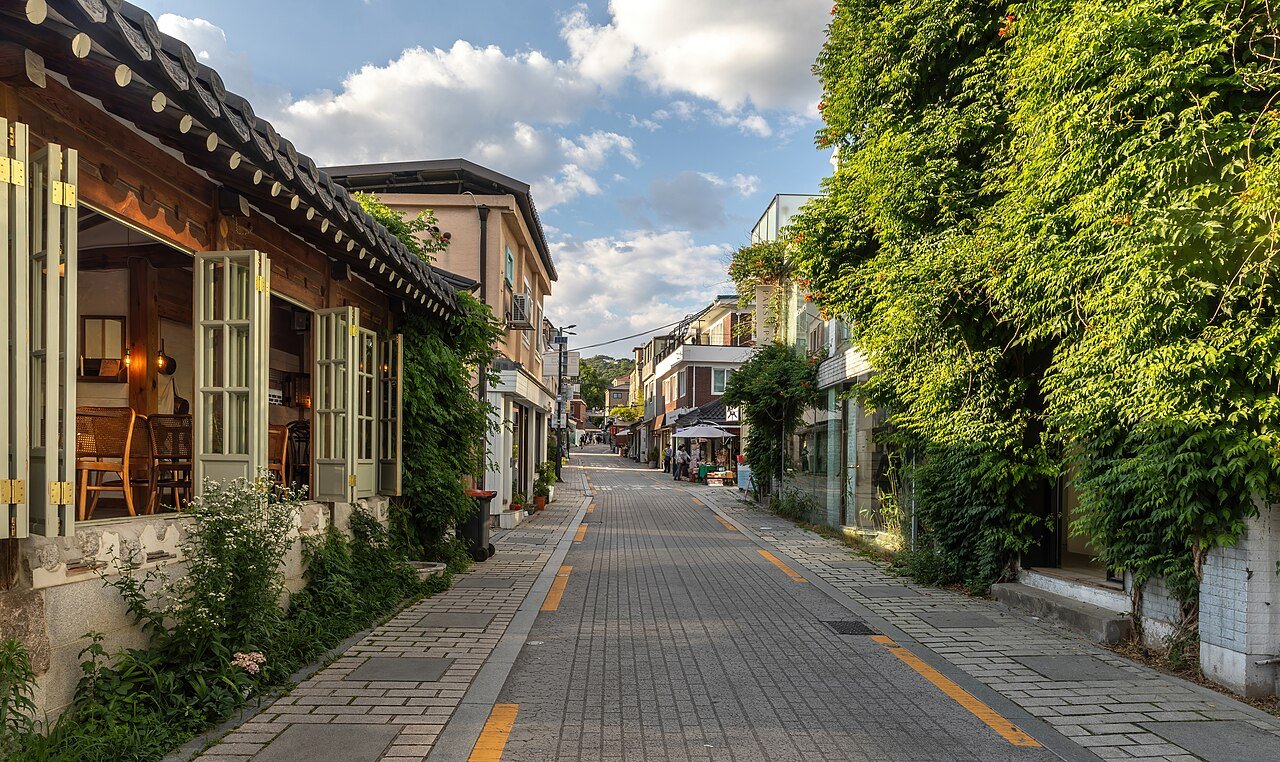
Among trendy Seoul cafes, Onion is the brand that made “old building, new bakery” a Seoul trend, and the Anguk branch is its most photogenic. You sit on low wooden floors around a traditional courtyard, with tiled roofs overhead. The signature pandoro, a tall star-shaped loaf buried in powdered sugar, is the shot everyone takes. Locals also order the squid-ink cheese bread and salt bread.
- Full guide: Cafe Onion Anguk – everything you need to know
- Address: 5 Gyedong-gil, Jongno-gu, Seoul
- Hours: about 07:00–22:00 (last order 21:30)
- Station: Anguk Station (Line 3), Exit 3, about 3 minutes on foot
- Tip: Go before 10 a.m. on weekdays for a courtyard seat. Bukchon Hanok Village is a short walk uphill—see our Bukchon Hanok Village guide.
2. Cheongsudang – A Bamboo Forest Cafe in Ikseon-dong
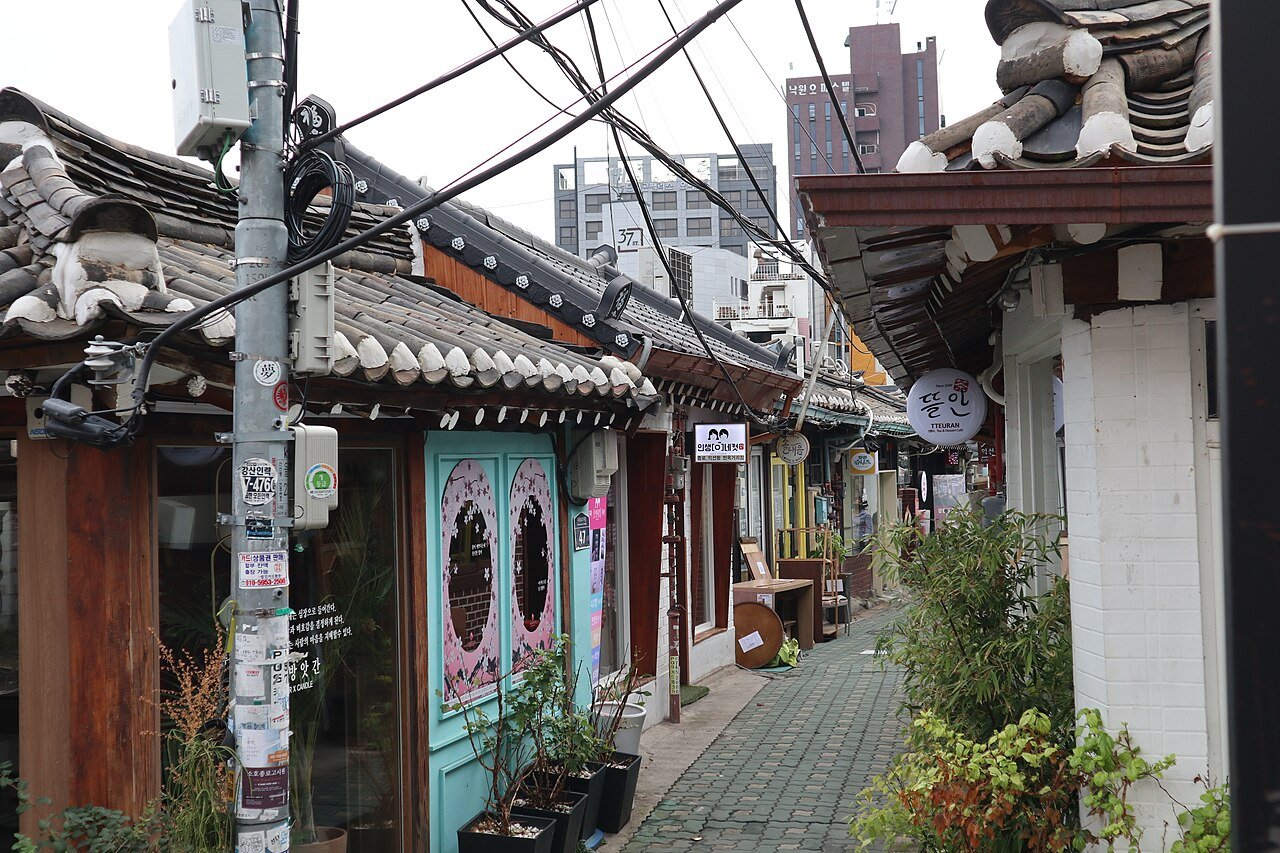
Walk through a short bamboo path and stepping-stone pond and you are inside one of the most photographed cafes in Ikseon-dong. Cheongsudang mixes hanok wood, lanterns and greenery, which is why it trends every season. The yakgwa set—Korean honey cookies in flavors like matcha, black sesame and pistachio—puts a modern spin on a traditional dessert. Prices run high, but most visitors come for the space.
- Full guide: Cheongsudang – everything you need to know
- Address: 31-9 Donhwamun-ro 11na-gil, Jongno-gu, Seoul
- Hours: 10:30–21:00 (last order 20:30)
- Station: Jongno 3-ga Station (Lines 1, 3, 5)
- Tip: Arrive at opening time; weekend afternoons often have a wait.
3. Jayeondo Salt Bread – The Salt Bread Craze Starts Here
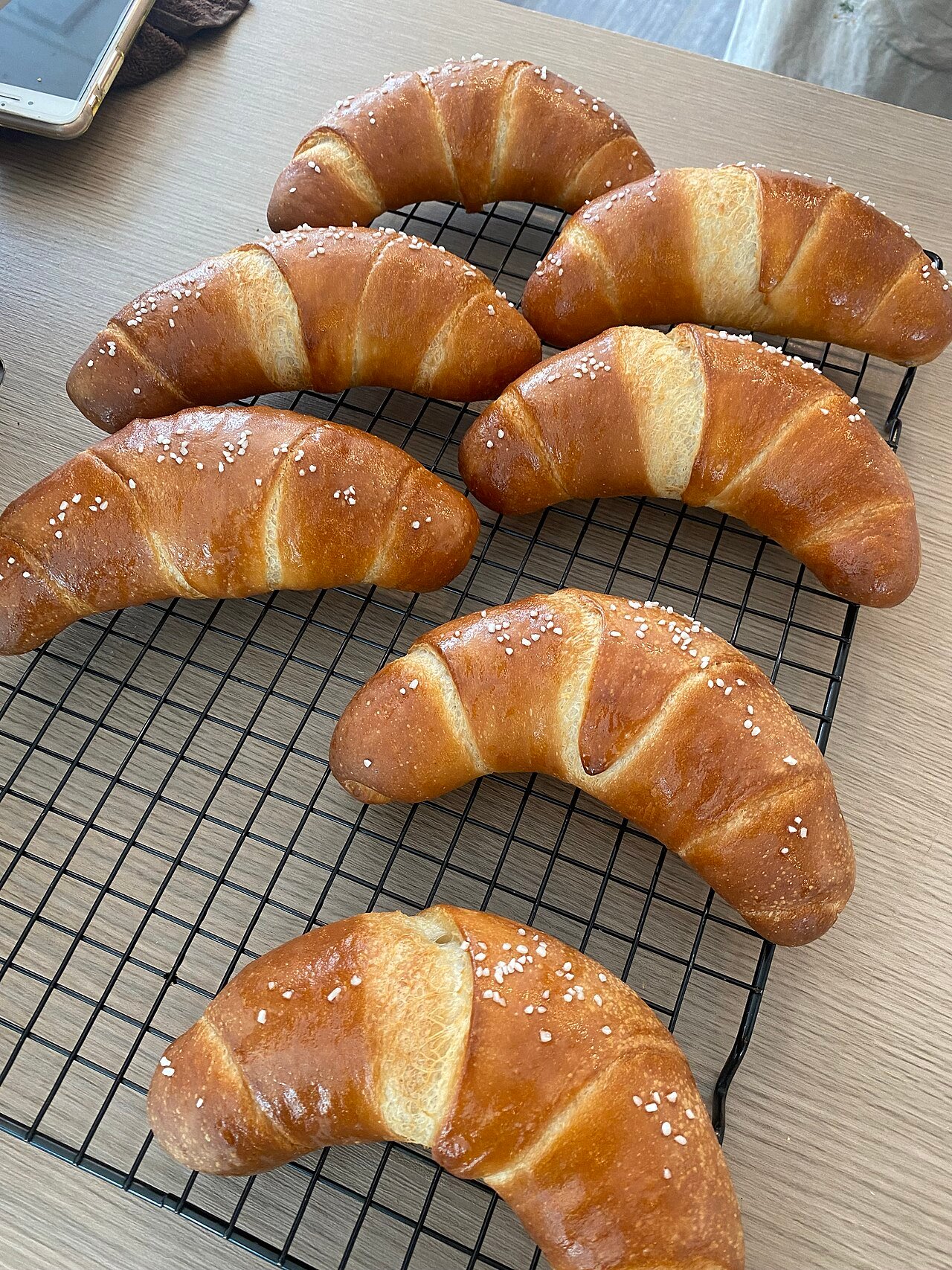
Salt bread (sogeumppang) is the bakery item of the decade in Korea, and Jayeondo is one of the names that made it famous. The buttery, crisp-bottomed rolls come in a pack of four, and the line moves fast. The Ikseon-dong shop has an outdoor yard with a Jeju hallabong citrus tree, a nice detail for photos.
- Full guide: Jayeondo Salt Bread – everything you need to know
- Address: 21-17 Supyo-ro 28-gil, Jongno-gu, Seoul (Ikseon-dong)
- Hours: about 09:00–22:00
- Price: 4-piece set around 12,000 won
- Station: Jongno 3-ga Station, Exit 4 or 6
4. Buchon Yukhoe – Michelin-Listed Beef Tartare at Gwangjang Market
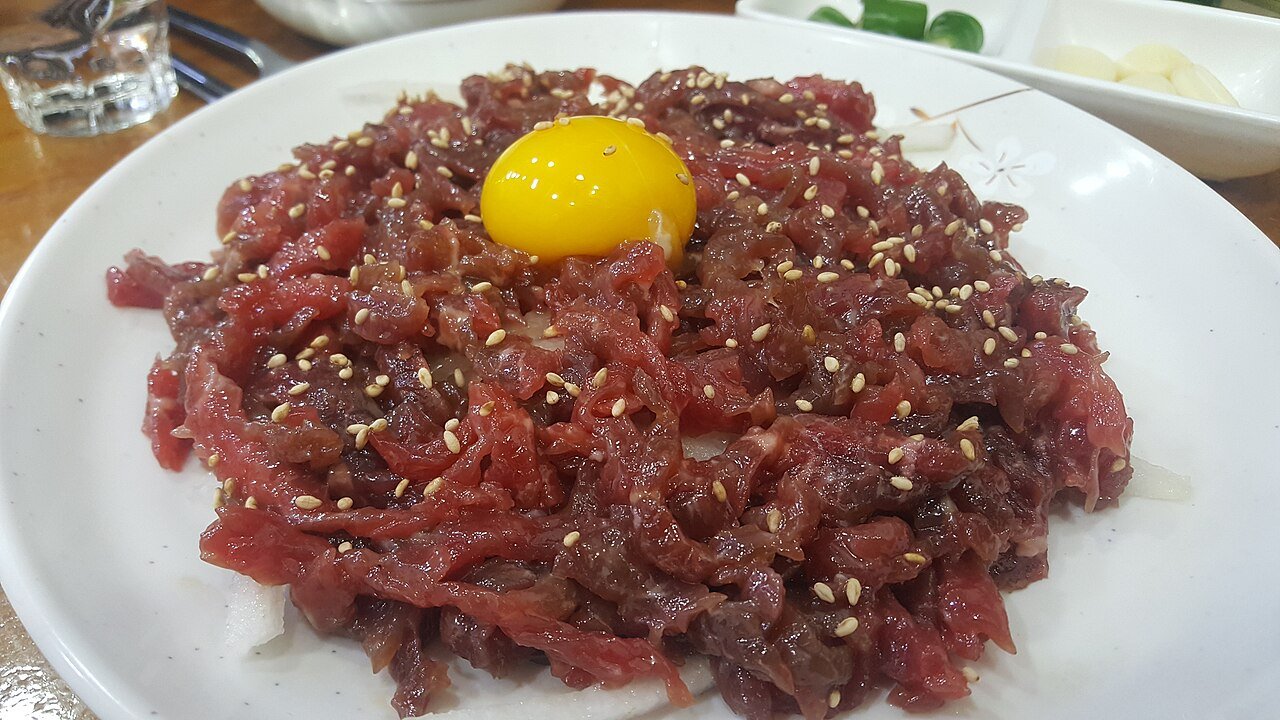
Yukhoe Alley inside Gwangjang Market is where young Seoulites go for cheap, fresh Korean beef tartare, and Buchon Yukhoe is the best-known shop in the row. Thin strips of raw beef are tossed with sesame oil and pear and topped with an egg yolk. Add a yukhoe bibimbap for a filling meal, or the yukhoe-and-octopus combo if you are feeling bold.
- Full guide: Buchon Yukhoe – everything you need to know
- Address: 200-12 Jong-ro, Jongno-gu, Seoul (Gwangjang Market Yukhoe Alley)
- Menu: yukhoe (200g) about 23,000 won; yukhoe bibimbap about 11,000 won
- Station: Jongno 5-ga Station (Line 1), Exit 8
- Tip: Expect a queue at dinner time. Call 02-2267-1831 or check Naver Map for the day’s hours.
Jung-gu: Euljiro, the “Hipjiro” Backstreets
Euljiro was a district of printing presses, lighting shops and tool stores. In the late 2010s artists moved in, and young Koreans followed—today it mixes trendy Seoul cafes with decades-old pubs—nicknaming it “Hipjiro” (hip + Euljiro). The charm is the contrast: retro bars and cafes hidden above workshops that still run during the day.
5. Coffee Hanyakbang – A 1930s-Style Coffee “Pharmacy”
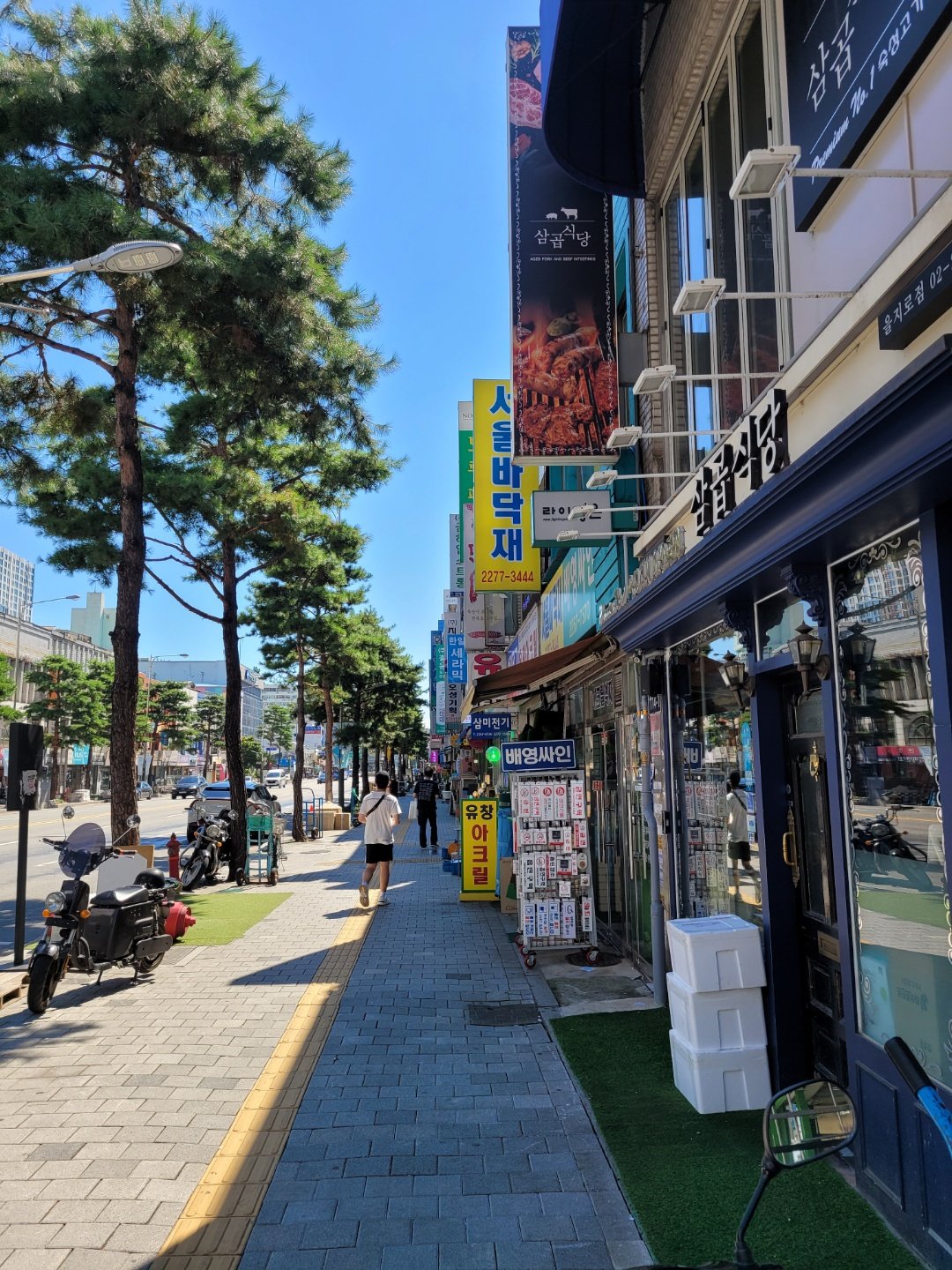
Tucked into a narrow alley, Coffee Hanyakbang (literally “coffee herbal pharmacy”) looks like a Korean apothecary from a century ago: dark wood cabinets, mother-of-pearl furniture and old brass lamps. The house specialty is hand-poured filter coffee, roasted on site. It is the place young Seoulites take friends to show them “real” Euljiro.
- Full guide: Coffee Hanyakbang – everything you need to know
- Address: 16-6 Samil-daero 12-gil, Jung-gu, Seoul
- Hours: 1st floor weekdays 10:00–22:00, weekends 11:00–22:00 (last order 21:00); open every day
- Station: Euljiro 3-ga Station (Lines 2, 3), a few minutes on foot
- Tip: The entrance is easy to miss—look for the narrow alley off Samil-daero.
6. Euljiro Nogari Alley – Dried Pollock and Draft Beer on Plastic Stools
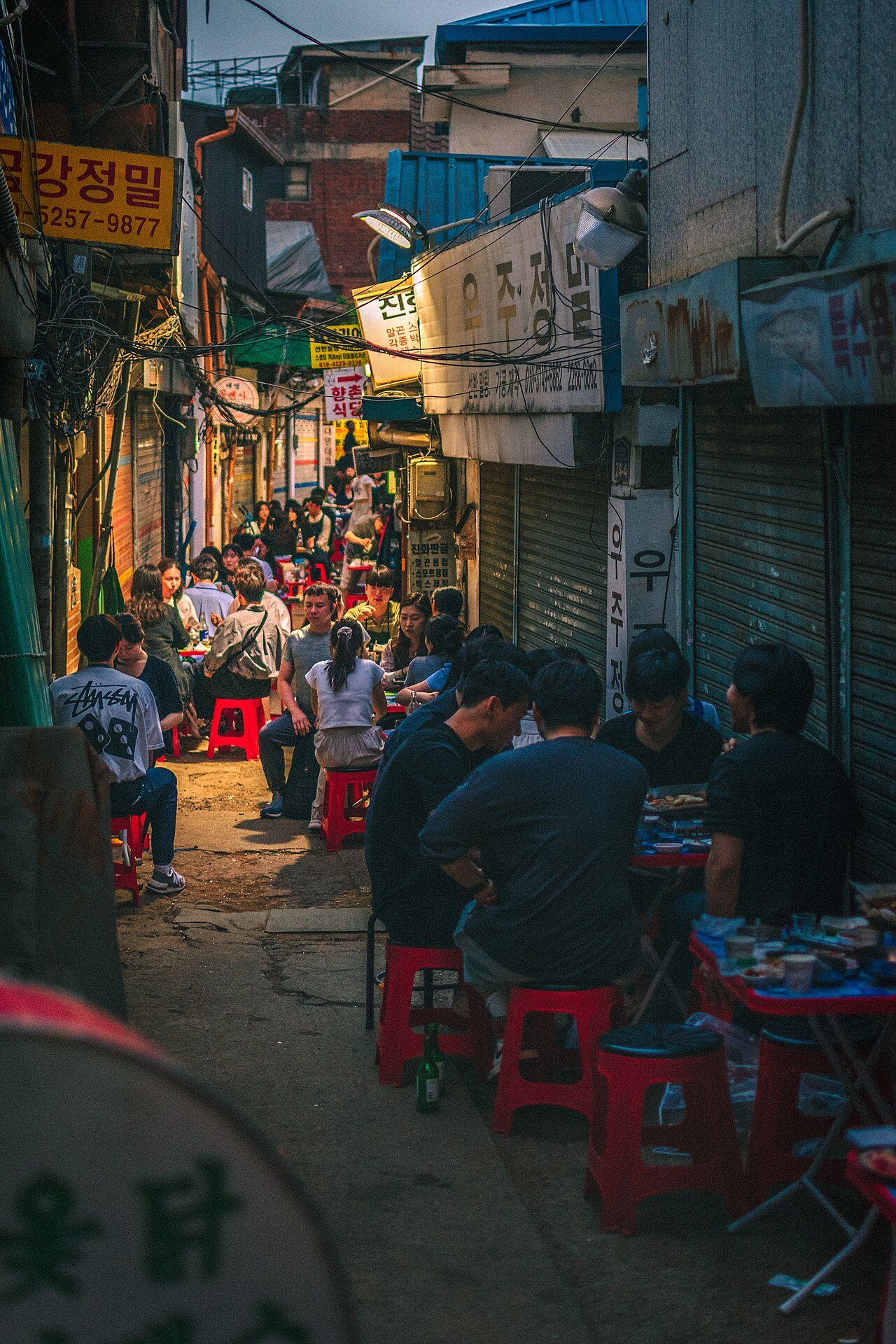
After 6 p.m. the alley near Euljiro 3-ga Station fills with plastic tables, office workers and students. The ritual is simple: a cold draft beer and nogari, small dried pollock you grill and dip in spicy red pepper sauce. The alley grew around Eulji OB Bear, a pub that opened here in 1980, and today pubs like Manseon Hof set out hundreds of seats. It is noisy, cheap and very Seoul.
- Full guide: Euljiro Nogari Alley – everything you need to know
- Location: Nogari Golmok, Euljiro 3-ga, Jung-gu, Seoul
- Hours: roughly late afternoon until late night
- Station: Euljiro 3-ga Station (Lines 2, 3), Exits 3–4
- Tip: Friday nights are the liveliest. Bring cash as a backup.
7. Woo Lae Oak – Pyongyang Naengmyeon Since 1946
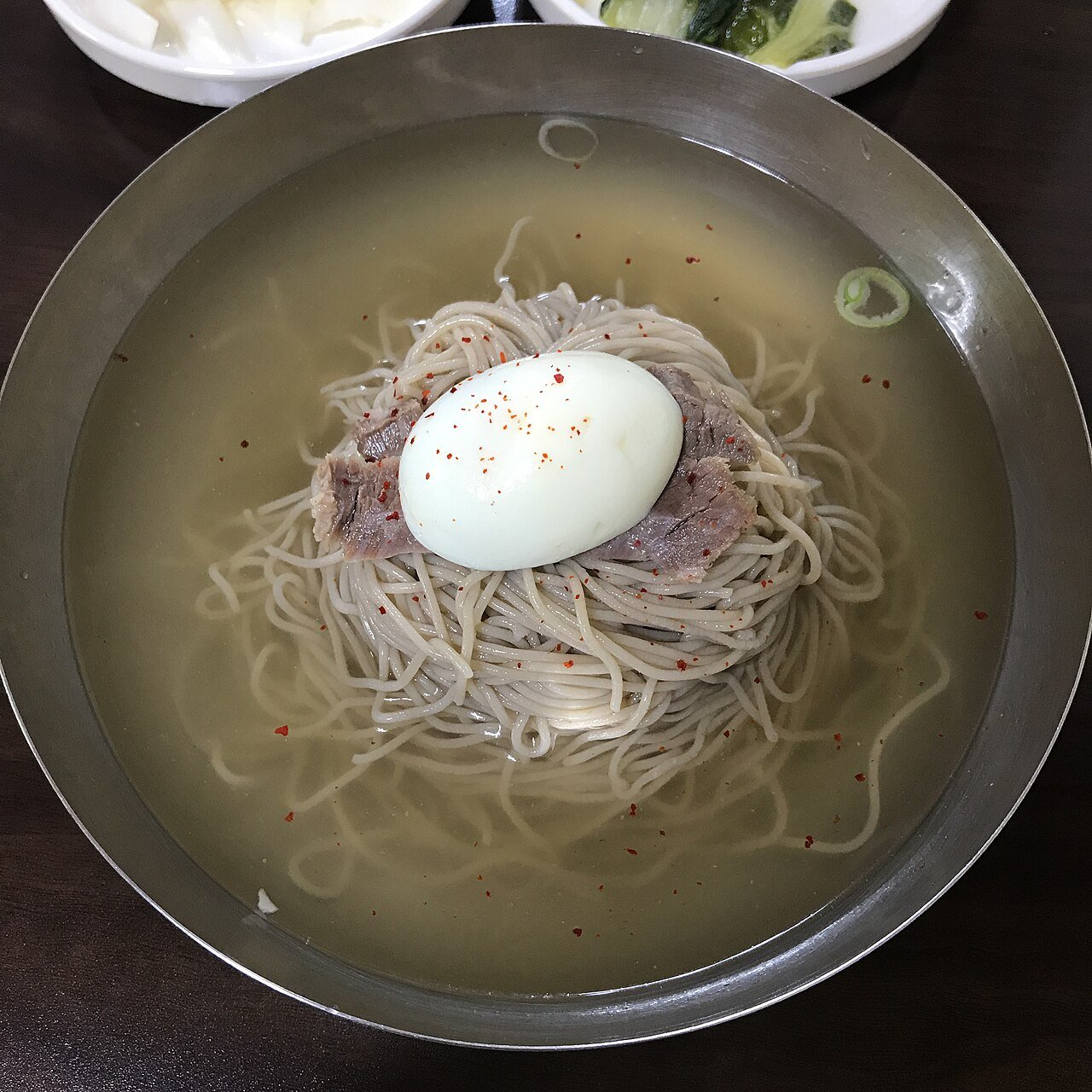
Pyongyang naengmyeon, cold buckwheat noodles in a clear beef broth, has become a cult dish among young Korean foodies, and Woo Lae Oak is the reference point. The broth is simmered from Korean beef and seasoned only with salt and soy sauce, so the flavor is subtle—order bulgogi on the side for contrast. The Michelin Guide lists it as a Bib Gourmand.
- Full guide: Woo Lae Oak – everything you need to know
- Address: 62-29 Changgyeonggung-ro, Jung-gu, Seoul
- Hours: Tuesday–Sunday 11:30–21:00; closed Mondays
- Station: Euljiro 4-ga Station (Lines 2, 5), about 1 minute on foot
- Tip: Weekend lunch lines are long; aim for 11:30 or mid-afternoon. For more broth-based Korean classics, see our best Korean soup and stew restaurants in Seoul.
Seongdong-gu: Seongsu-dong, Seoul’s Brooklyn
Seongsu-dong was full of shoe factories and warehouses. Now it is the city’s pop-up and cafe capital, and the best place to see what trendy Seoul cafes will look like next year. Most spots are within a 10-minute walk of Seongsu Station on Line 2.
8. Cafe Onion Seongsu – The Factory Cafe That Started a Trend
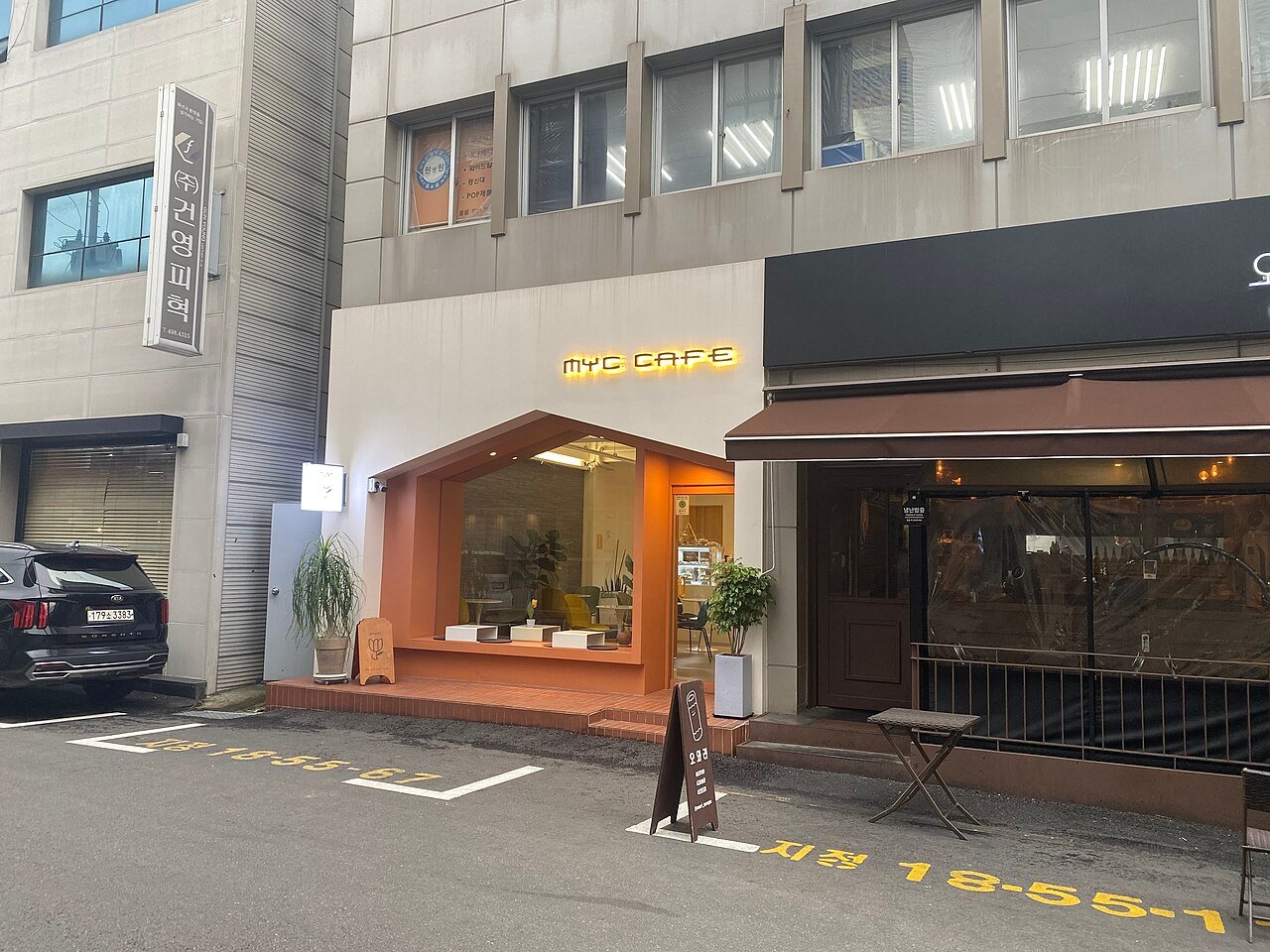
Opened in 2016 in a former factory building, Onion Seongsu became a blueprint for trendy Seoul cafes. It showed how raw concrete, exposed brick and great pastries could pull crowds to an industrial neighborhood. Order the pandoro or a seasonal pastry with coffee and find a seat on the rooftop or in the bare-walled rooms.
- Full guide: Cafe Onion Seongsu – everything you need to know
- Address: 8 Achasan-ro 9-gil, Seongdong-gu, Seoul
- Hours: weekdays 08:00–22:00; weekends 10:00–22:00
- Station: Seongsu Station (Line 2), Exit 2
9. Daelim Changgo – A Rice-Mill Warehouse Turned Gallery Cafe
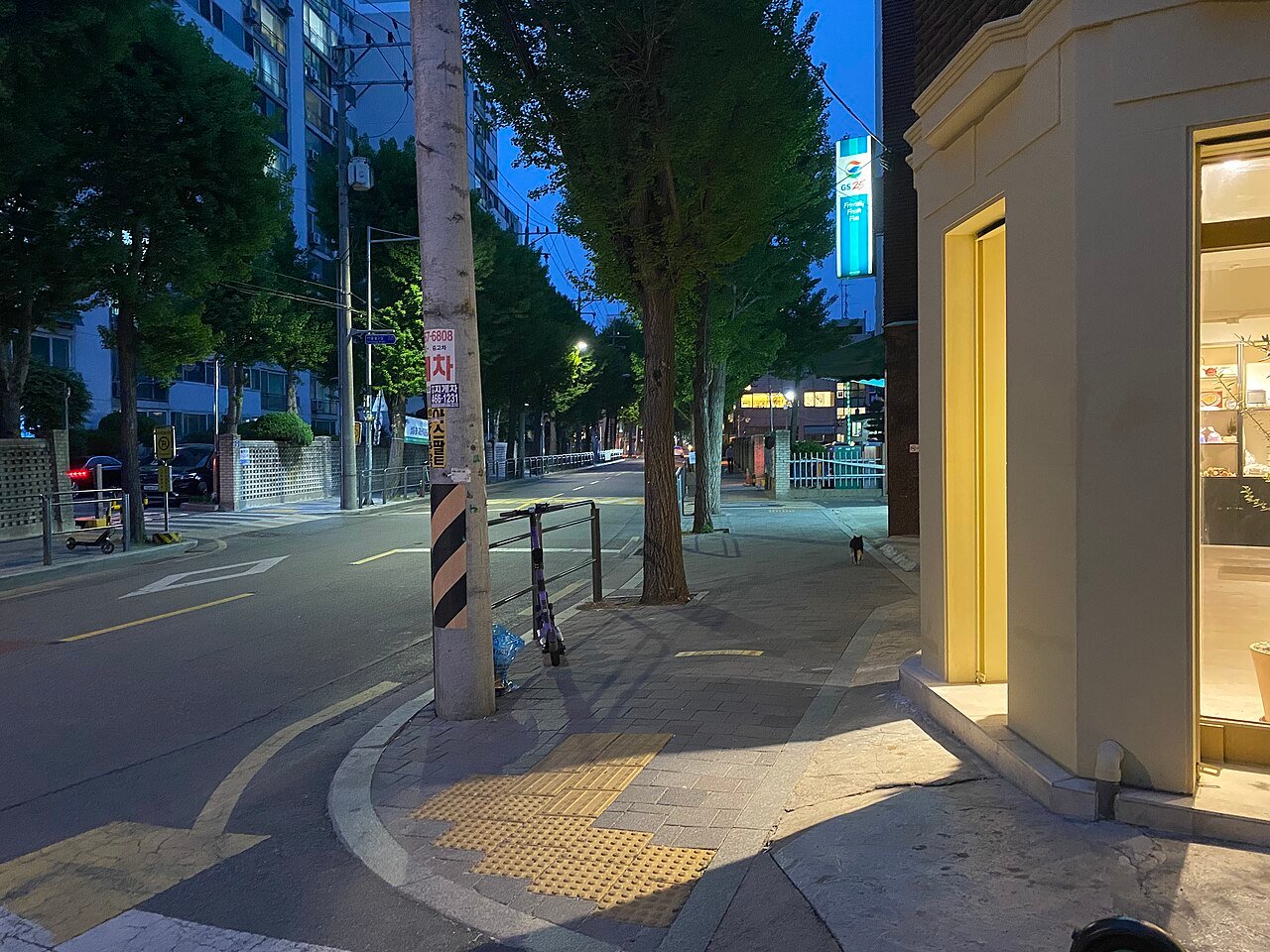
Daelim Changgo is a 1970s rice mill and warehouse reborn as a cafe, bar, restaurant and gallery. The ceilings are huge, the art changes, and the space hosts fashion events and pop-ups. Try the croissant carbonara with sausage or an iced einspänner, then explore the surrounding streets packed with brand pop-ups.
- Full guide: Daelim Changgo – everything you need to know
- Address: 78 Seongsui-ro, Seongdong-gu, Seoul
- Hours: about 11:00–22:00 daily
- Station: Seongsu Station (Line 2), Exit 3
10. Somunnan Seongsu Gamjatang – The Local Favorite for Pork Bone Stew
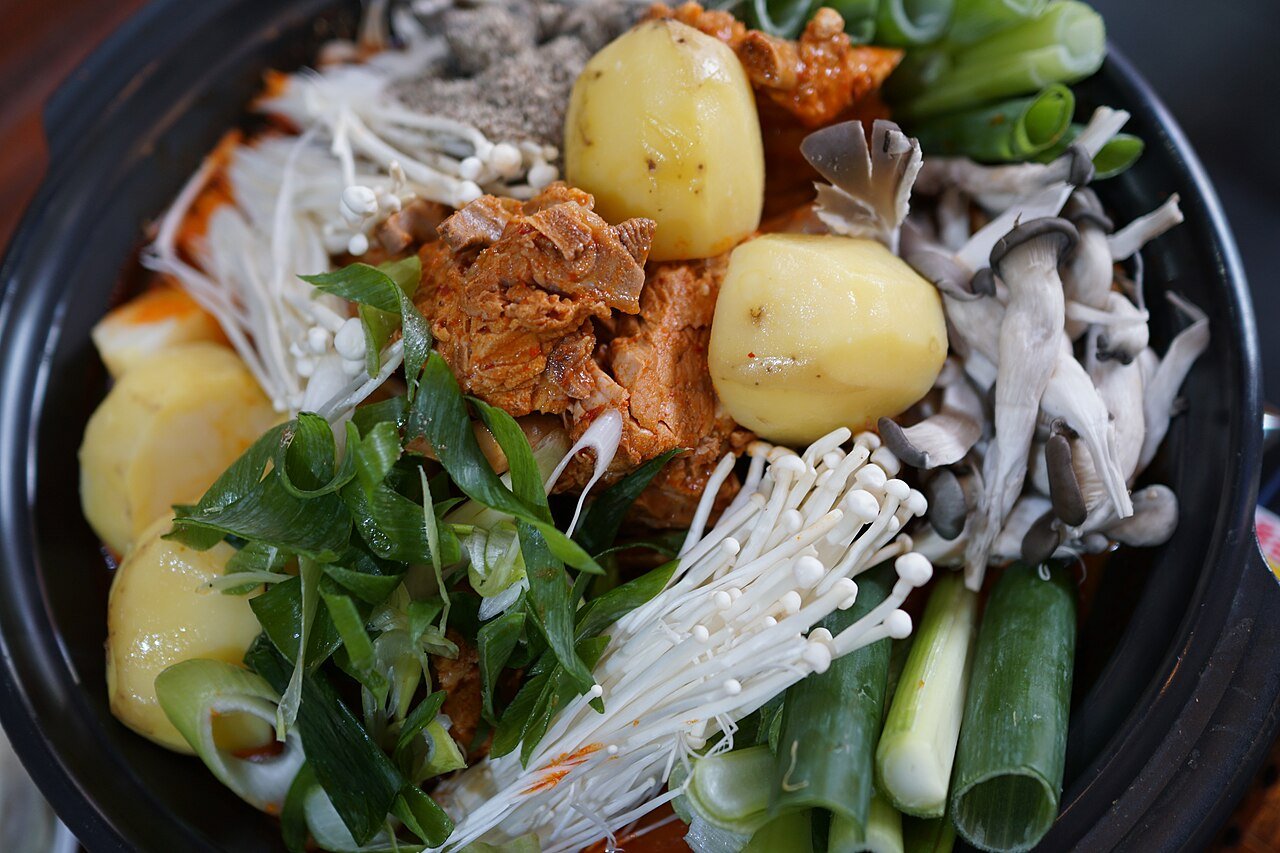
After cafe-hopping, young locals refuel at Somunnan Seongsu Gamjatang, a busy restaurant serving big pots of gamjatang—spicy pork bone and potato stew with perilla seeds and greens—made for sharing. It is busy from morning, and the portions are generous enough for a group. Finish by frying rice in the leftover broth.
- Full guide: Somunnan Seongsu Gamjatang – everything you need to know
- Address: annex at 4 Yeonmujang 7-gil, Seongdong-gu, Seoul (main shop nearby)
- Hours: long hours, open year-round
- Station: Seongsu Station (Line 2), a short walk
- Tip: Phone 02-465-6580 to confirm hours on holidays.
A One-Day Route: Trendy Seoul Cafes from Jongno to Seongsu
- Morning: breakfast pastries at Cafe Onion Anguk, then a stroll through Bukchon or Jongmyo Shrine.
- Late morning: salt bread at Jayeondo and photos at Cheongsudang in Ikseon-dong.
- Lunch: yukhoe at Buchon Yukhoe in Gwangjang Market, or naengmyeon at Woo Lae Oak.
- Afternoon: Line 2 to Seongsu for Onion Seongsu and Daelim Changgo, plus pop-up shopping.
- Evening: gamjatang in Seongsu, or head back to Euljiro for filter coffee at Coffee Hanyakbang and beers in Nogari Alley.
Tips for Visiting Trendy Seoul Cafes
- Use Naver Map or KakaoMap. Google Maps directions are limited in Korea; both local apps have English modes and show live hours.
- Remote waitlists: popular cafes often use tablet waitlists (CatchTable or Tabling). Register, then explore nearby until your turn.
- Weekdays win. Weekend waits at trendy Seoul cafes in Seongsu and Ikseon-dong can top an hour.
- Cards work almost everywhere, but small market stalls appreciate cash.
FAQ
Which neighborhood has the most trendy Seoul cafes?
Seongsu-dong in Seongdong-gu has the highest concentration of new cafes and pop-ups, while Ikseon-dong and Anguk in Jongno-gu are best for hanok-style cafes.
What is “Hipjiro”?
It is a nickname for Euljiro in Jung-gu, combining “hip” and “Euljiro.” It describes the bars and cafes that opened inside the area’s old printing and hardware alleys.
Do I need a reservation?
Most cafes on this list are walk-in only with on-site waitlists. Busy restaurants like Woo Lae Oak and Buchon Yukhoe also take walk-ins, so go early.
Are these places good for solo travelers?
Yes. Cafes and Gwangjang Market stalls are solo-friendly. Gamjatang is designed for sharing, so bring a friend or order a single-serving soup option if offered.
Sources
- MICHELIN Guide – Woo Lae Oak
- iVisitKorea – Seongsu-dong guide
- Creatrip – Ikseon-dong cafe guide
- K-Trip Tips – Cafe Onion Anguk
- K-Trip Tips – Coffee Hanyakbang
- Say Hi Korean – Euljiro’s old restaurants
Featured image: Ikseon-dong hanok alley, photo by S h y numis / Wikimedia Commons (CC BY-SA 4.0). In-article photos are from Wikimedia Commons under the licenses shown; neighborhood and dish photos illustrate each spot and may not show the venue itself. Hours and prices were checked in October 2026 and can change.