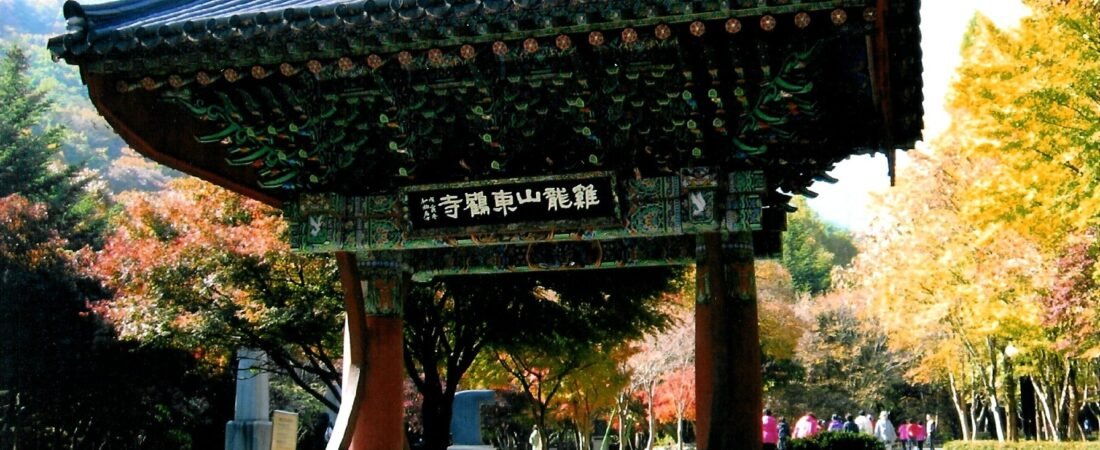
Gyeryongsan in autumn is one of central Korea’s classic foliage trips – and early November is exactly the moment to go. Koreans even have a saying, “Chun-Magok, Chu-Gapsa” (spring at Magoksa, autumn at Gapsa), naming Gapsa Temple on Gyeryongsan’s western slope as the place to see fall color. This guide covers the 2026 peak timing, how to get there from Seoul by bus, costs, a one-day itinerary from Gapsa over the ridge to Donghaksa, and where to eat.
Why Visit Gyeryongsan in Autumn (2026 Peak Dates)
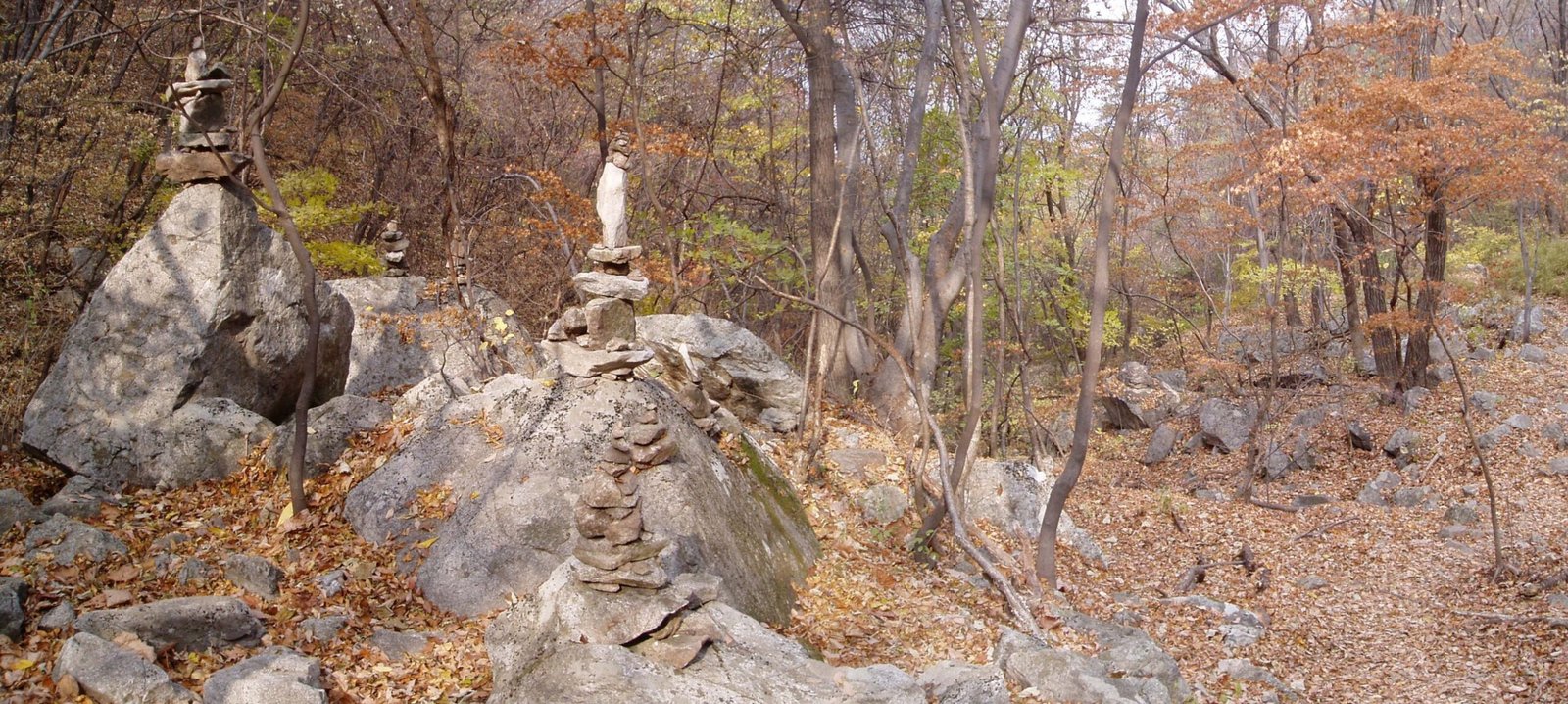
Gyeryongsan National Park (845 m, Chungcheongnam-do) straddles Gongju, Gyeryong and Daejeon. Its granite ridges look like a rooster’s crest topped with a dragon – the meaning of the name. In autumn the valleys around Gapsa and Donghaksa turn red and gold, and the 2 km Ori-gil approach to Gapsa, lined with trees over 150 years old, becomes a tunnel of color.
For 2026, first foliage at Gyeryongsan was observed on October 16. The Korea Forest Service forecast the peak for around November 1, while private forecaster Weather-i put it at November 4 (summarized by Supple, Oct 22, 2026). That makes the first week of November the best window, with color lingering in the lower valleys for about a week afterward. Forecasts are not guarantees, so check recent photos before you go.
How to Get to Gyeryongsan (Gapsa) from Seoul
Because weekends are the busiest time for Gyeryongsan in autumn, an early start from Seoul is a good idea.
Express bus to Gongju + city bus to Gapsa (recommended)
- Seoul Express Bus Terminal → Gongju Bus Terminal: about 1 h 30 min; standard ₩10,200, deluxe ₩14,900, premium ₩19,300; departures roughly 06:45–23:35, last return around 21:00 (bustrain.kr timetable, Oct 2026).
- Gongju → Gapsa: Gongju city bus 320 runs to the Gapsa terminus (the route passes the terminal roundabout; Gongju City lists about 18 buses a day, roughly 30 minutes). A taxi takes about 20 minutes (around ₩20,000, estimate).
Returning from Donghaksa via Daejeon
- If you hike over the ridge to Donghaksa, take Daejeon city bus 107 from Donghaksa to Guam Station (Daejeon Metro Line 1), about 40 minutes, roughly every 20 minutes.
- From nearby Yuseong Express Bus Terminal (one subway stop to Yuseong Spa) buses run back to Seoul in about 2 hours (fare roughly ₩10,000–20,000 depending on class – check at the counter).
Approximate Cost: Gyeryongsan in Autumn Day Trip (2026)
In general, a Gyeryongsan in autumn day trip stays affordable, since most of the budget goes to public transport.
| Item | Cost (KRW) | Notes |
|---|---|---|
| Seoul → Gongju express bus | 10,200–19,300 | standard / deluxe / premium |
| Gongju city bus 320 / Daejeon bus 107 | about 1,500 each | T-money card works |
| Yuseong → Seoul bus | about 10,000–20,000 | or return via Gongju |
| Gapsa / Donghaksa admission | Free | Gapsa parking ₩4,000 per car |
| Lunch + snacks | 15,000–35,000 | sanchae bibimbap, tteokgalbi set, chestnut bread |
| Total per person | about 40,000–75,000 | (US$30–56 at ~₩1,340) |
Gyeryongsan in Autumn Itinerary: Gapsa to Donghaksa
- 07:00 – Express bus from Seoul Express Bus Terminal.
- 08:30–09:30 – Arrive Gongju; city bus 320 or taxi to Gapsa.
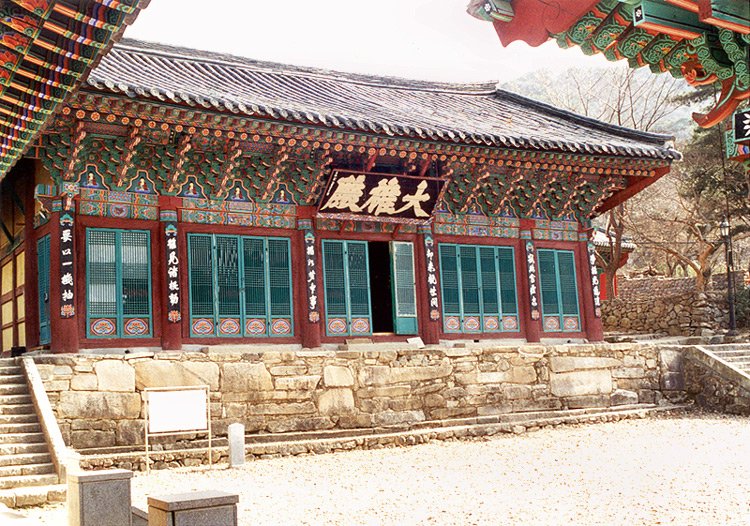
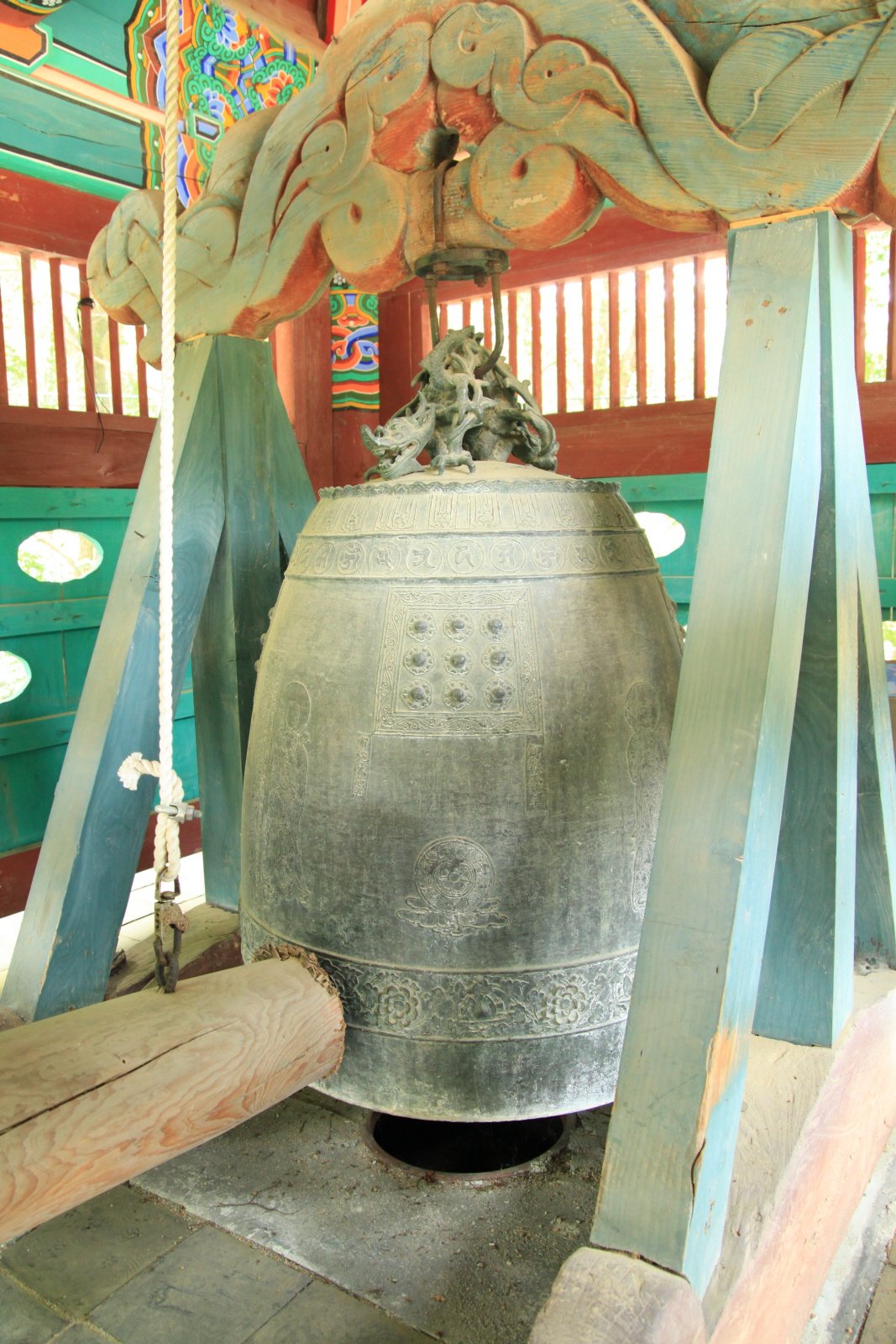
- 09:30–10:30 – Walk the Ori-gil forest road; visit Gapsa’s Daeungjeon hall, the Joseon-era bronze bell (Treasure), the iron flagpole (Treasure) and Palsangjeon.
- 10:30–14:15 – Hike Gapsa → Yongmun Falls → Geumjandi Pass → Sambul Pass → Nammaetap pagodas → Donghaksa: 4.7 km, about 3 h 40 min (Korea Tourism Organization). Pack lunch or snacks.
- 14:15–15:00 – Explore Donghaksa and its maple-lined valley.
- 15:00 – Bus 107 to Guam Station, then Yuseong Express Bus Terminal back to Seoul (home by about 18:30).
Easy option: skip the ridge, enjoy the Gapsa valley (Gapsa Gugok) up to Yongmun Falls and back, then spend the afternoon in Gongju town at Gongsanseong Fortress – see our Gongju autumn guide. For example, this route lets you see Gyeryongsan in autumn at two of its best-known temples in a single day.
Nearby Attractions
In addition, Gongju’s historic sites make it easy to turn a Gyeryongsan in autumn visit into a longer trip.
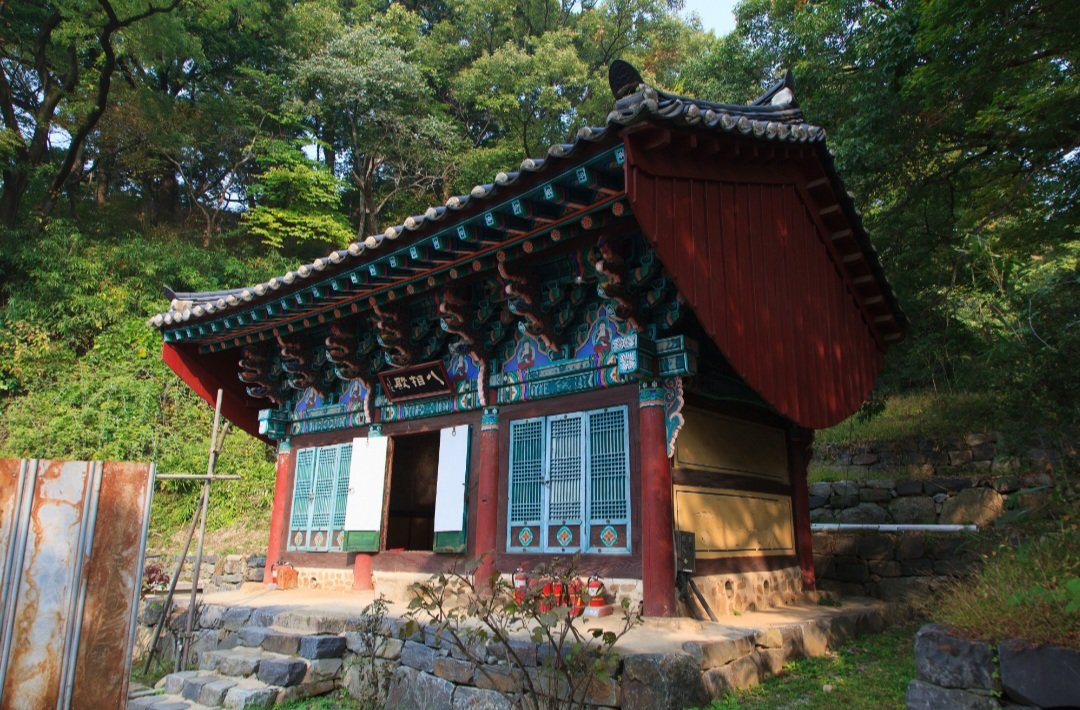
- Gapsa Temple – traditionally founded in 420 and rebuilt in 1604 after the Imjin War; home to a 1584 bronze bell, an iron flagpole and the Wolinseokbo printing blocks (all Treasures). Open year-round, free.
- Donghaksa Temple – on the eastern (Daejeon) side, known for its Buddhist nuns’ seminary and a valley that glows red in early November.
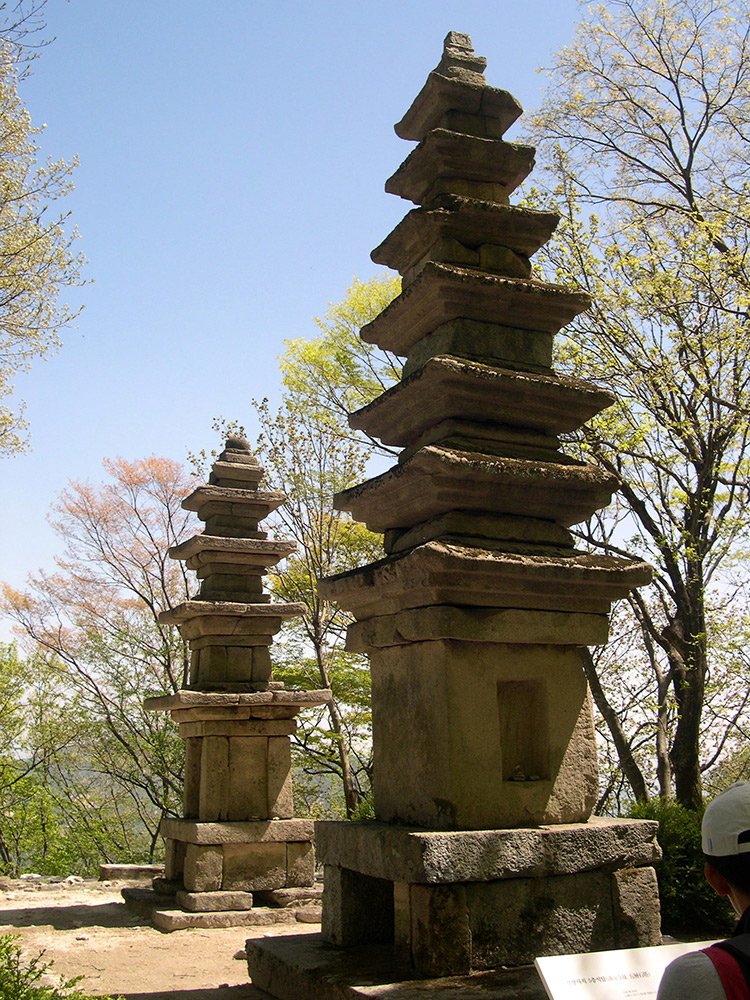
- Nammaetap (Brother-Sister Pagodas) – two stone pagodas on the ridge trail between Gapsa and Donghaksa, at the old Cheongnyangsa temple site.
- Gongsanseong Fortress & Royal Tombs of King Muryeong – UNESCO Baekje sites in Gongju town, 20 minutes away.
Where to Eat Near Gapsa
After the hike, these spots are also convenient for a relaxed meal near the trailhead.
- Gapsa Sikdang (갑사식당) – in the temple-entrance village, 476-15 Gapsa-ro, Gyeryong-myeon (Kakao Map). Typical temple-village fare: sanchae (mountain vegetable) bibimbap, acorn jelly and pajeon; prices are not published online – expect around ₩12,000–15,000 per main.
- Bapkkot Hana Pieonne (밥꽃 하나 피었네) – farm-style restaurant near Sinwonsa, 502 Sinwonsa-ro, Gyeryong-myeon. Minari (water-parsley) tteokgalbi set ₩30,000, cheonnyeoncho tteokgalbi set ₩35,000, grilled pork set ₩25,000, chestnut makgeolli ₩4,000 (Polle menu); bookings via Naver.
- Tosiri Rice-Chestnut Bread, Gapsa branch (토실이쌀밤빵) – 476-10 Gapsa-ro; a snack stop for Gongju’s famous chestnuts, perfect after the hike.
- In Gongju town: Donghaewon (22 Napdari-gil) is a local favorite for jjamppong (₩10,000) and jjajangmyeon (₩7,500), open 11:00–15:00 (Siksin, Nov 2024).
Tips for Gyeryongsan in Autumn
- Go on a weekday during the first week of November; weekend parking at Gapsa (400–500 cars) fills by mid-morning.
- Start early. Sunset is around 17:30 in early November; finish ridge hikes by 16:00.
- Wear hiking shoes. The Geumjandi Pass and Nammaetap sections are steep stone steps.
- Carry cash and a T-money card for rural buses and small restaurants.
- Pair this trip with other autumn hikes: Bukhansan or Songnisan, or the Asan ginkgo road nearby.
FAQ: Gyeryongsan in Autumn
When is the best time to see Gyeryongsan’s autumn foliage in 2026?
The peak was forecast for November 1 (Korea Forest Service) to November 4 (Weather-i), so the first week of November is ideal; lower valleys stay colorful about a week longer.
Is Gapsa Temple free to enter?
Yes. Gapsa and Donghaksa charge no admission. Parking at Gapsa costs ₩4,000 for a passenger car.
How do I get from Seoul to Gapsa by public transport?
Take an express bus from Seoul Express Bus Terminal to Gongju (about 1 h 30 min, from ₩10,200), then Gongju city bus 320 or a 20-minute taxi to Gapsa.
How long is the hike from Gapsa to Donghaksa?
The classic route via Yongmun Falls, Geumjandi Pass and Nammaetap is 4.7 km and takes about 3 hours 40 minutes.
Sources
- Supple (Oct 22, 2026) – 2026 foliage peak dates
- Gongju City – Gapsa (admission, parking, transport, Ori-gil)
- Korea Tourism Organization – Gapsa valley hiking courses
- Korea Charts – Gongju bus 320 route
- Korean Temple Guide – Gapsa history
- Polle – Bapkkot Hana Pieonne menu
- bustrain.kr – Seoul–Gongju express bus fares (Oct 2026); Rome2rio – Daejeon bus 107
Featured image: Photo: Alankang / Wikimedia Commons, CC BY-SA 4.0