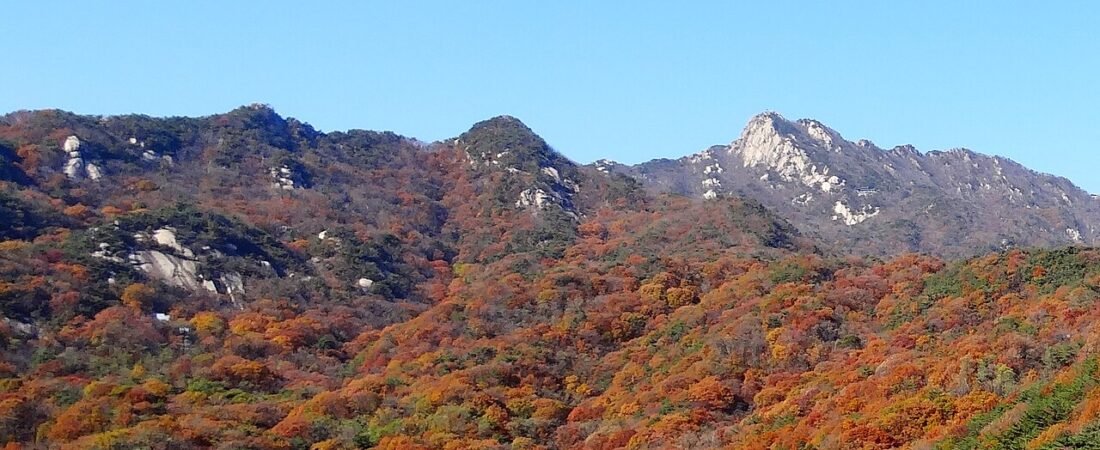
Bukhansan in autumn is the easiest way to see real mountain foliage without leaving Seoul. The granite peaks of Bukhansan National Park rise right behind the city’s northern neighborhoods, the trailheads are reachable by subway and bus, and in early November the valleys turn red, orange and gold. This 2026 guide covers the best timing, the two classic routes up to Baegundae, costs, a one-day itinerary, nearby sights and where to eat afterward.
Why Go to Bukhansan in Autumn 2026
Most of Korea’s famous foliage mountains — Seoraksan, Odaesan, Chiaksan — peaked in October this year (Chiaksan was observed at peak on October 19). Bukhansan, being lower and further south-west, turns later. The weather service WeatherEye forecast Bukhansan’s 2026 peak for about November 4, after first color was observed on October 14, and the Korea Tourism Organization’s 2026 foliage map put the Seoul metro area’s peak from late October. That makes the first and second weeks of November the sweet spot.
Autumn is also simply the best hiking season here: cool air, clear skies and long views from the 836 m summit of Baegundae across the whole of Seoul. Admission to the national park is free.
How to Get to Bukhansan from Central Seoul
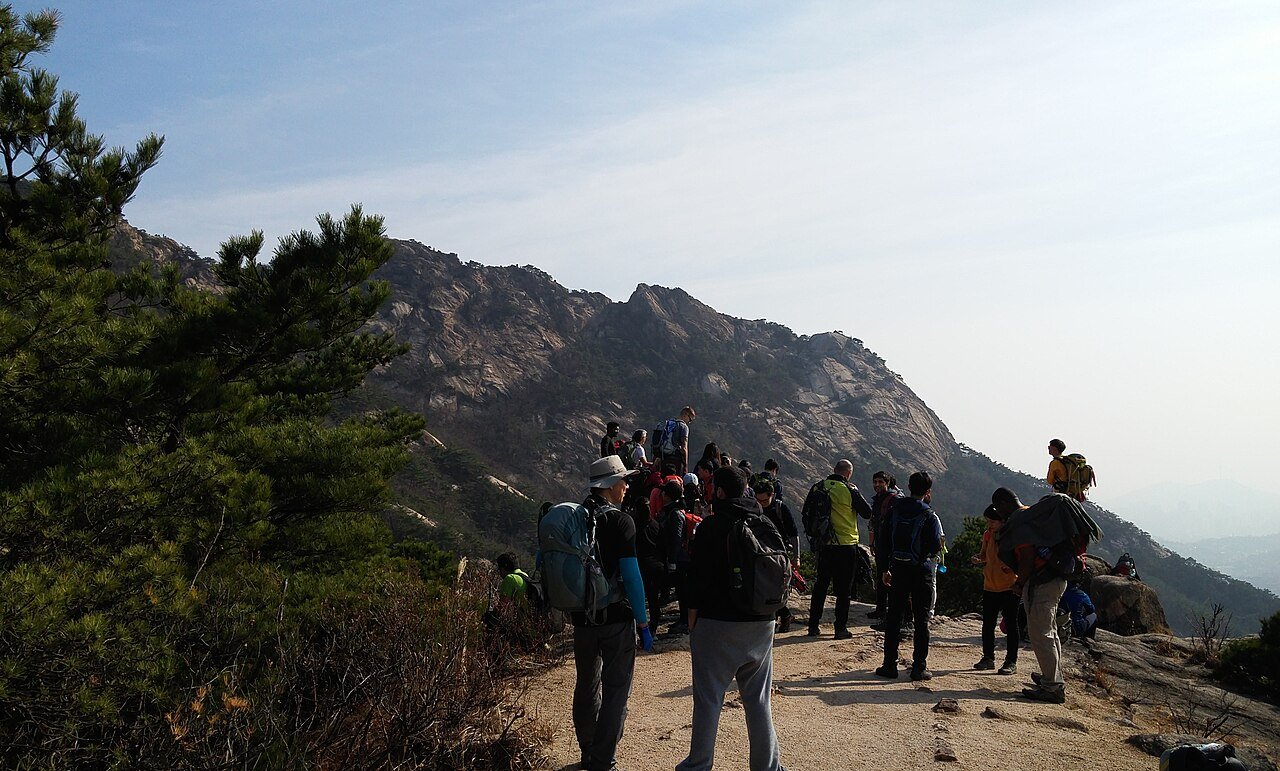
There are two main gateways. Both are inside Seoul and use a normal T-money card (subway ₩1,550, city bus ₩1,500). Because weekend mornings are the busiest time for Bukhansan in autumn, an early start helps you avoid the biggest crowds on the trail.
| Gateway | How to get there | Route to Baegundae |
|---|---|---|
| Bukhansanseong (west, Eunpyeong) | Line 3 to Gupabal Station (Exit 1/2), then bus 704 or 34 (8772 on weekends) ~15 min to the “Bukhansanseong” stop | Visitor Center → Daeseomun Gate → Borisa → Baegundae: 3.4 km, about 2 h 40 min up (moderate) |
| Ui-dong (north-east, Gangbuk) | Ui-Sinseol Line to Bukhansan Ui Station (end of line), Exit 2 | 40–50 min walk (or short taxi) to Baegundae Visitor Center, then 1.9 km, about 1.5–2 h up — shortest but steep |
From Gwanghwamun or Myeongdong, allow about 50–70 minutes door-to-trailhead either way. A popular plan is to go up from one side and come down the other.
Gear for visitors: the city-run Seoul Hiking Tourism Center (Bukhansan) is a 5-minute walk from Exit 2 of Bukhansan Ui Station (5F, 52 Samyang-ro 173-gil). It rents hiking boots, clothing, backpacks, gloves and poles to foreign hikers at low cost, has lockers and a lounge, and runs guided programs. Hours 09:00–18:00, closed Mondays (tel. 1533-2608; reserve at seoulhiking.or.kr).
Bukhansan Autumn Trip Cost (2026)
In general, Bukhansan in autumn is an affordable outing, since entry to the national park is free and most of the cost is transport and food.
| Item | Cost per person |
|---|---|
| Subway + bus, round trip from central Seoul | ₩3,100–₩6,100 |
| National park admission | Free |
| Gear rental (optional, Hiking Tourism Center) | Low-cost; check seoulhiking.or.kr |
| Post-hike meal (yukgaejang, galbi, makgeolli) | ₩7,000–₩20,000 |
| Snacks, water, café | ₩5,000–₩10,000 |
| Total | about ₩15,000–₩40,000 (US$11–30) |
Bukhansan in Autumn: Suggested One-Day Itinerary
- 08:00 — Subway to Gupabal Station; bus 704 to Bukhansanseong. Buy water and gimbap near the stop.
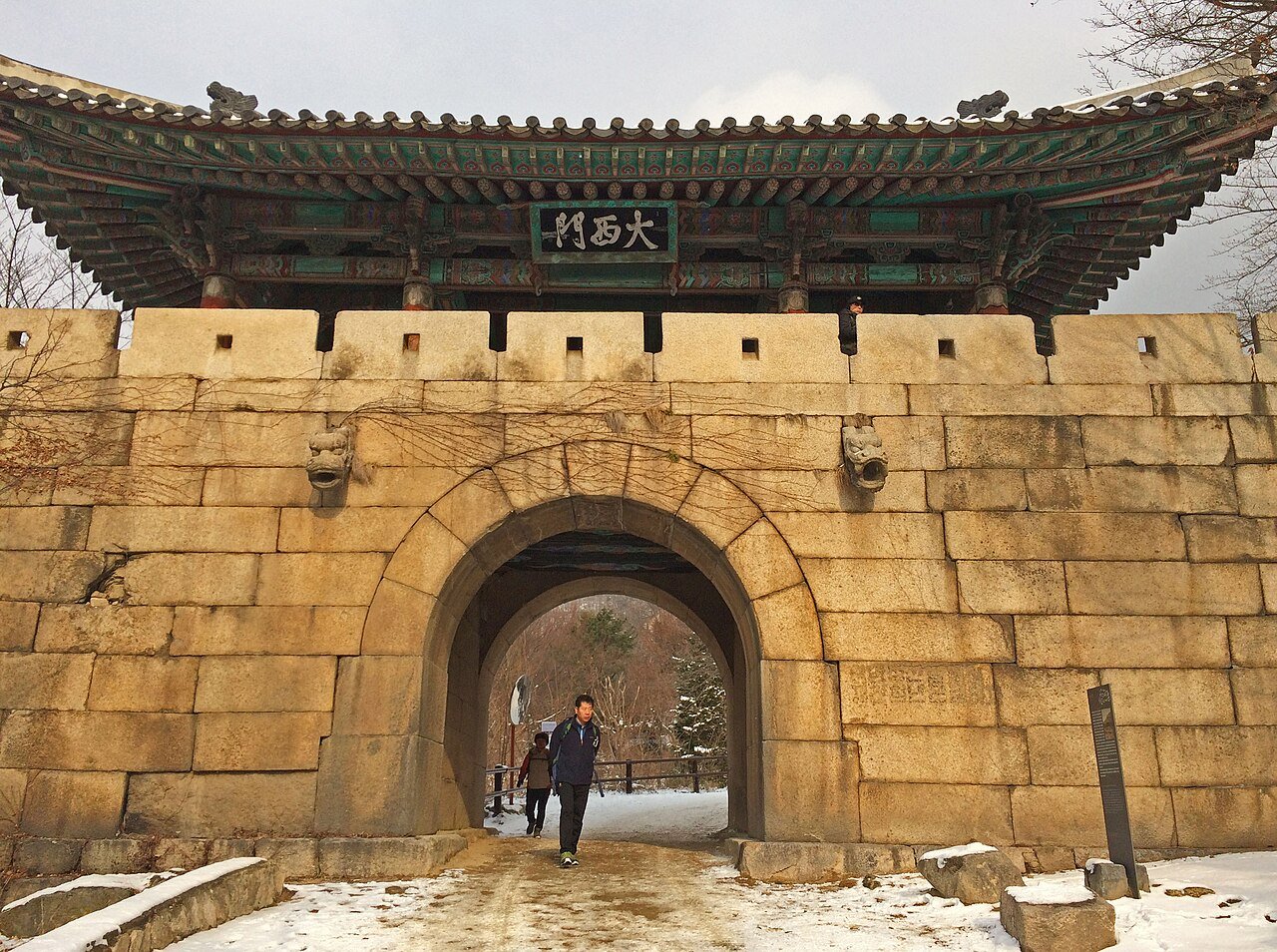
- 08:45 — Start at the Bukhansanseong Visitor Center, pass through Daeseomun, the fortress’s main west gate, and climb through maple-filled valleys.
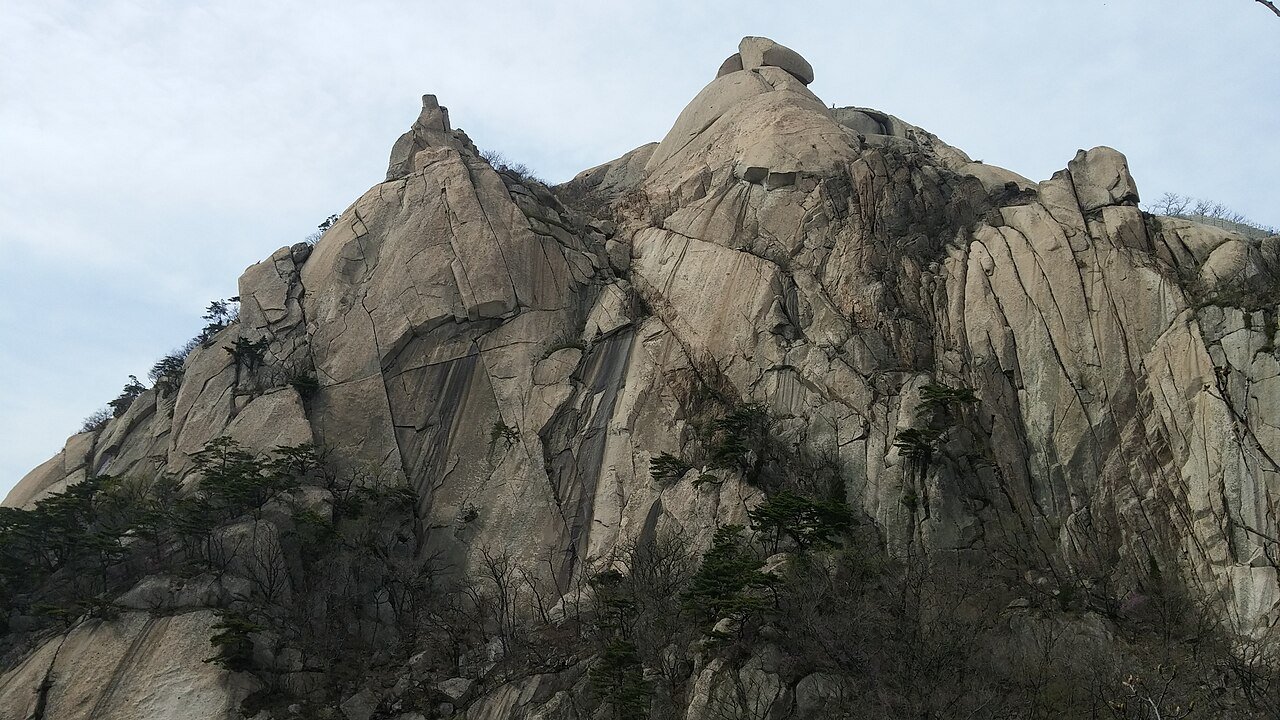
- 11:30 — Reach Baegundae. The last section is on bare granite with steel cables — wear shoes with grip and go slowly on weekends when it gets crowded.
- 12:30 — Descend toward Ui-dong via the Baegundae Visitor Center (or return the same way if you’re tired).
- 14:30 — Late lunch of yukgaejang and makgeolli near the 4.19 trailhead, then rest at Ui-dong’s pine grove.
- 16:30 — Ui-Sinseol Line back to the city (transfer at Sungshin Women’s Univ. or Sinseol-dong).
Not a hiker? Stay low: walk the flat Bukhansan Dulle-gil (Uiryeong-gil, 6.4 km, about 2 hours) or the Sanseong valley trail past the fortress gate, then spend the afternoon at Eunpyeong Hanok Village. For example, the plan below keeps the hike manageable while still leaving time to enjoy the foliage.
Nearby Attractions
In addition, a few spots near the trailheads pair well with a Bukhansan in autumn hike.
- Bukhansanseong Fortress — an 18th-century mountain fortress with 16 gates and 8 secret gates; the Buwangsa temple site along the valley trail is known for its maples.
- Jingwansa Temple — one of Seoul’s oldest temples, famous for its temple-food programs, a short walk from Eunpyeong Hanok Village.
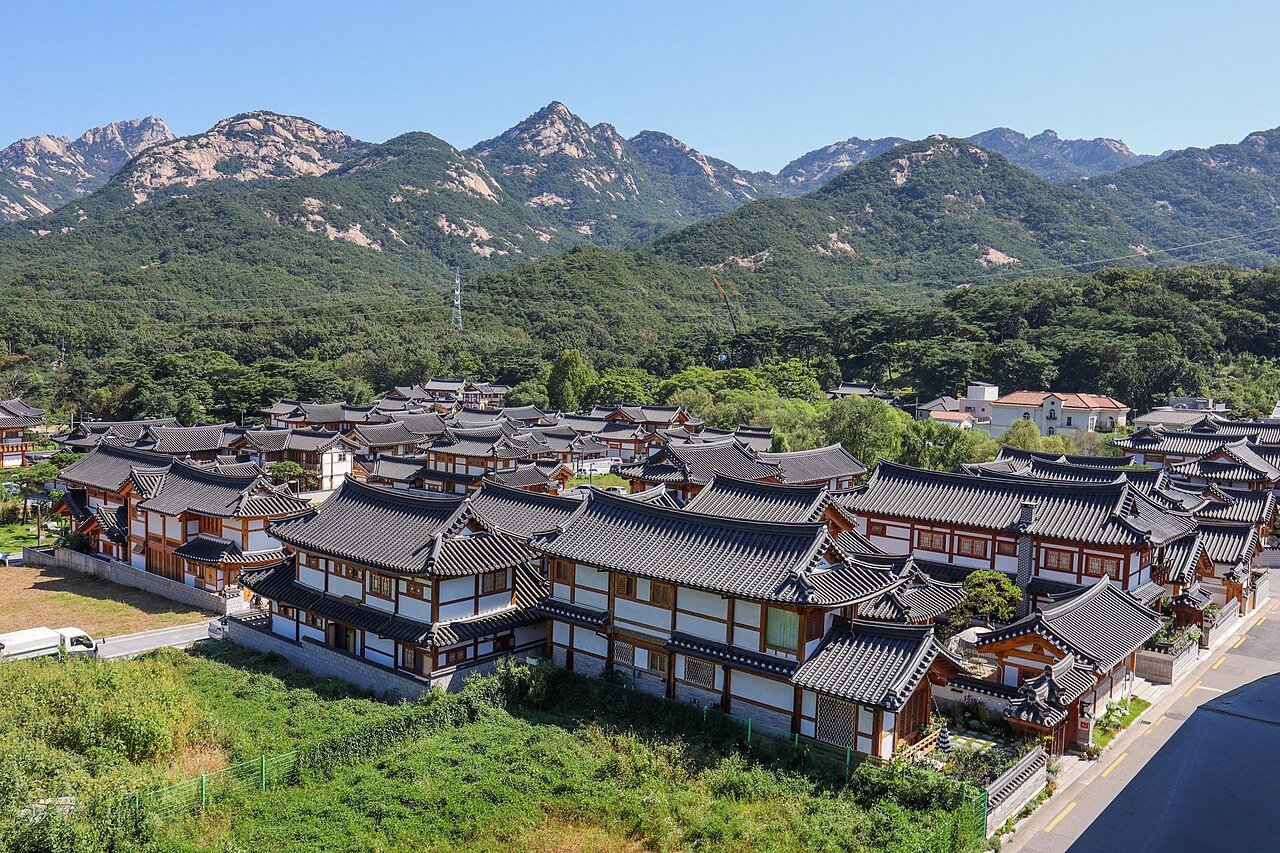
- Eunpyeong Hanok Village — a modern hanok neighborhood framed by Bukhansan’s peaks, with cafés, galleries and great sunset views.
- Ui-dong & Doseonsa — Ui-dong’s pine forest park and Doseonsa Temple on the road to the Baegundae trailhead.
Where to Eat Near Bukhansan
- Saemteomaru (샘터마루) — 35 4.19-ro 12-gil, Gangbuk-gu, right by the Bukhansan Dulle-gil entrance in Suyu-dong. A hikers’ favorite for early starts: open daily 06:30–20:00 (last order 19:30). Yukgaejang ₩7,000, perilla gopchang yukgaejang ₩10,000, suyuk (boiled pork) ₩19,000 (Hotplace Hunter). Kakao Map
- Bukhansan Insujae (북한산 인수재) — 60-93 4.19-ro 12-gil, Gangbuk-gu, tucked further up the slope in the woods. Grilled galmaegi-sal (pork skirt) ₩15,000 per 150 g and homemade tofu ₩5,000; weekdays 10:00–17:00, weekends 07:00–18:30, closed Mondays (Hotplace Hunter).
- Eunpyeong Hanok Village cafés — if you finish on the western side, the cafés on Yeonseo-ro and Jingwan-gil (several with rooftop views of the peaks) are perfect for a post-hike coffee or traditional tea.
Bukhansan Autumn Tips
- Go on a weekday — weekend queues on the Baegundae cables can take 30+ minutes in peak foliage season.
- Start early and finish before dark — November sunset in Seoul is around 17:20–17:35.
- Layer up — the summit can be 5–8°C colder and windy; bring gloves for the cable section.
- Check trail notices on the Korea National Park Service website (or call 02-909-0497) for closures and fire-prevention restrictions.
- Combine with the city — after the hike, catch more autumn color at Changdeokgung’s Secret Garden.
Looking for more foliage trips? See Yongmunsa’s ginkgo tree, Hwadam Forest and Seoraksan.
FAQ: Bukhansan in Autumn
When is the best time to see Bukhansan autumn foliage in 2026?
Around the first and second weeks of November. WeatherEye forecast the 2026 peak for about November 4.
Is there an entrance fee for Bukhansan National Park?
No. Admission is free; you only pay for subway and bus fares (about ₩3,000–₩6,000 round trip from central Seoul).
How long does it take to climb Baegundae?
About 2 hours 40 minutes up from the Bukhansanseong side (3.4 km) or 1.5–2 hours from the Baegundae Visitor Center on the Ui-dong side (1.9 km). Allow 4–5 hours round trip.
Is Bukhansan suitable for beginners?
The summit has steep rock sections with cables, so it suits fit beginners with good shoes. For an easy autumn walk, choose the Bukhansan Dulle-gil trails or the lower Sanseong valley instead.
Sources
- Supple / E-Today — 2026 foliage peak dates (Oct 22, 2026)
- Financial News — KTO & National Arboretum 2026 foliage map (Oct 8, 2026)
- Seoul Media Hub — Baegundae hike (Apr 2026)
- Seoul Media Hub — Bukhansan autumn course
- Seoul Hiking Tourism Center — Bukhansan center guide
- Daum — Bukhansan courses by difficulty
- Hotplace Hunter — Hiking-trail restaurants best 5
Featured image: Photo: Ingu Kang / Wikimedia Commons, CC BY-SA 4.0.