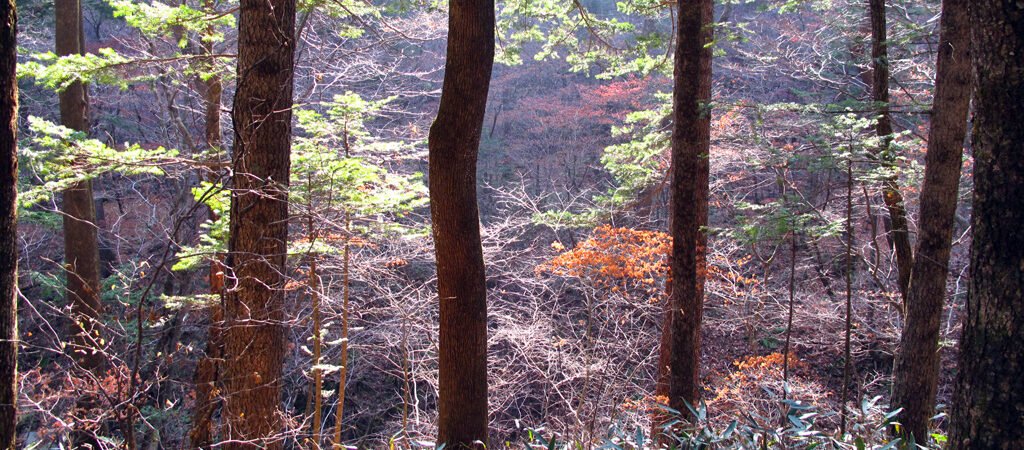
Odaesan autumn foliage turns a quiet Gangwon-do national park into one of Korea’s most beautiful fall escapes, and it is only about 1 hour 40 minutes from Seoul by KTX. Here you can walk a 1,000-year-old temple road under towering fir trees, follow a riverside trail lined with red maples and eat mountain-vegetable feasts in Jinbu. This guide covers 2026 peak dates, transport, costs and a day-trip itinerary.
Why Go Now: Odaesan Autumn Foliage Timing in 2026
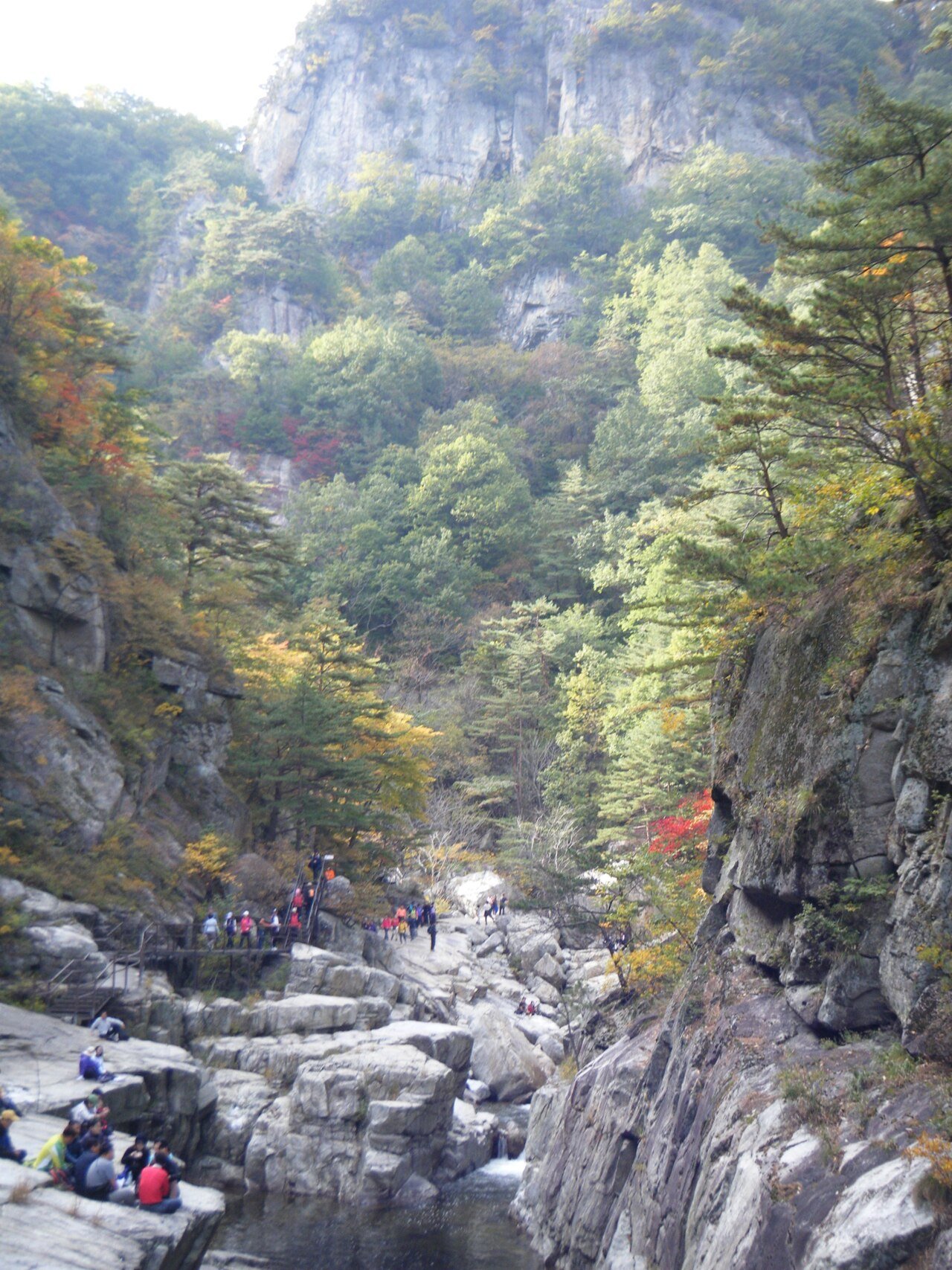
Odaesan sits high in the Taebaek Mountains, so its leaves change earlier than Seoul’s. The 2026 forecast by Weather i (published Sept 4) puts the peak for the central-region high mountains, including Odaesan and Seoraksan, at about October 16–25, with Seoraksan’s peak around October 25. Meanwhile, the Korea Tourism Organization and the National Arboretum’s 2026 Autumn Foliage Map expects Gangwon-do to peak from late October. In short, the second half of October is the sweet spot; the lower valleys around Woljeongsa often stay colorful into early November.
How to Get to Odaesan from Seoul
- KTX-Eum (fastest): Seoul Station → Jinbu (Odaesan) Station on the Gangneung Line. About 9 trains a day (05:40–22:14), travel time 1 hr 31 min–1 hr 51 min, standard fare ₩21,900 one way. Book on Korail (letskorail.com) or the Korail Talk app; weekend trains in October sell out early.
- Local bus to the temples: Pyeongchang rural buses run from Jinbu toward Woljeongsa and Sangwonsa. Since September 2024 every ride is a flat ₩1,000 (cash or T-money). Woljeongsa is roughly 20–25 minutes away; check times on the Pyeongchang bus information site (bus.pc.go.kr).
- Taxi: Jinbu Station → Woljeongsa is about 13 km; expect roughly ₩15,000–20,000.
- Express bus: Dong Seoul Terminal → Jinbu takes longer (about 2 hrs 30+ min plus local bus), but is a backup if trains are full.
Approximate Cost (Per Person)
| Item | Day trip | 1 night 2 days |
|---|---|---|
| KTX-Eum Seoul ↔ Jinbu (round trip) | ₩43,800 | ₩43,800 |
| Local buses (₩1,000 per ride) | ₩2,000–4,000 | ₩4,000–6,000 |
| Woljeongsa, fir forest, Sangwonsa admission | Free | Free |
| Meals (sanchae set + snacks/coffee) | ₩25,000–35,000 | ₩50,000–70,000 |
| Daegwallyeong Sheep Ranch (optional) | — | ₩9,000 |
| Lodging (Jinbu motel / pension, per room) | — | ₩60,000–120,000 |
| Total | ≈ ₩71,000–83,000 (US$51–59) | ≈ ₩170,000–250,000 (US$120–180) |
Exchange rate about ₩1,400 per US$1. Lodging rates rise on October weekends.
Suggested Day-Trip Itinerary
- 08:57 – KTX-Eum from Seoul Station, arrive Jinbu (Odaesan) around 10:38.
- 11:00 – Bus or taxi to the Woljeongsa fir forest entrance. Walk the Fir Forest Path (about 1 km each way, roughly 2 km as a loop) to the temple.
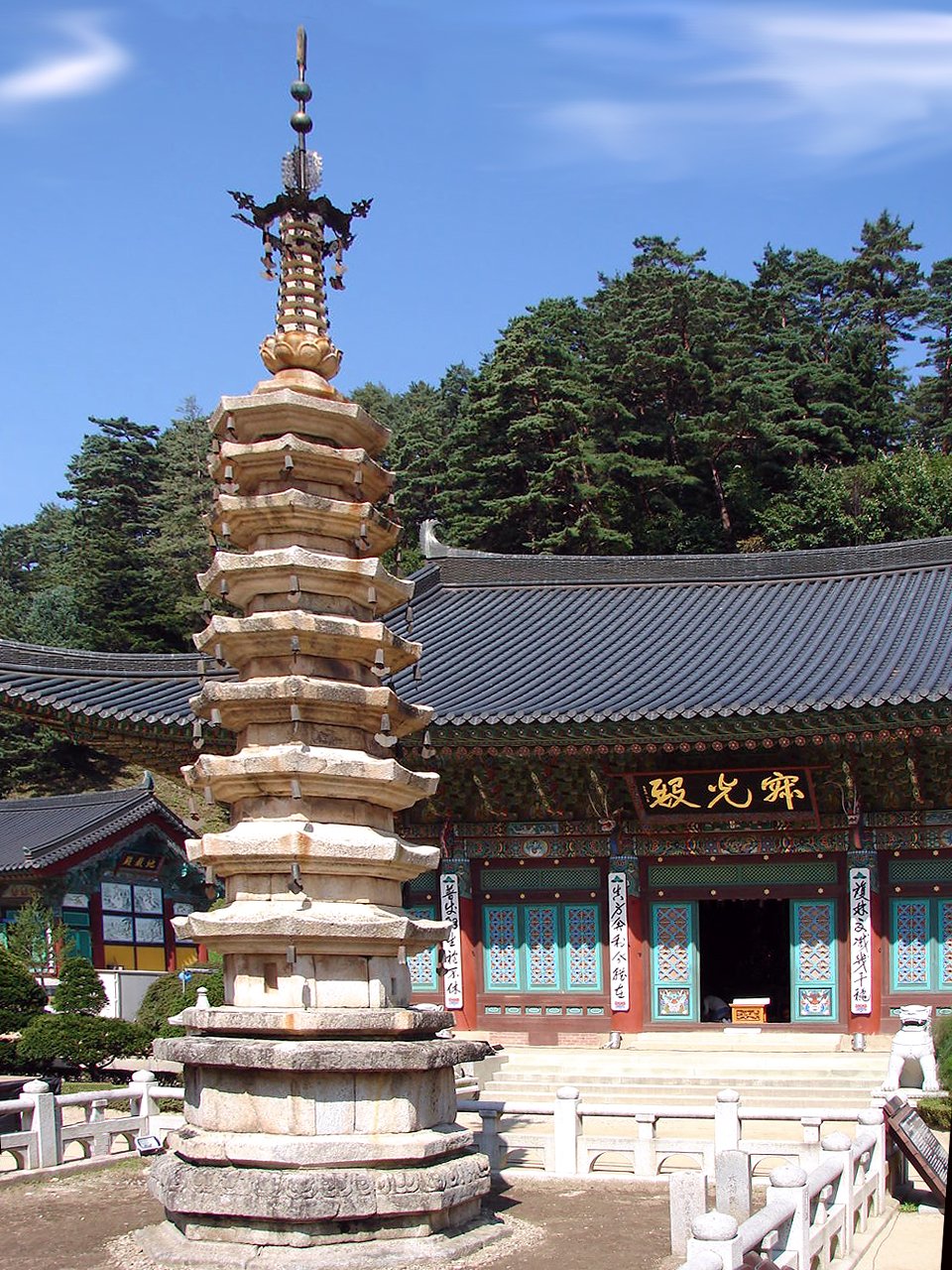
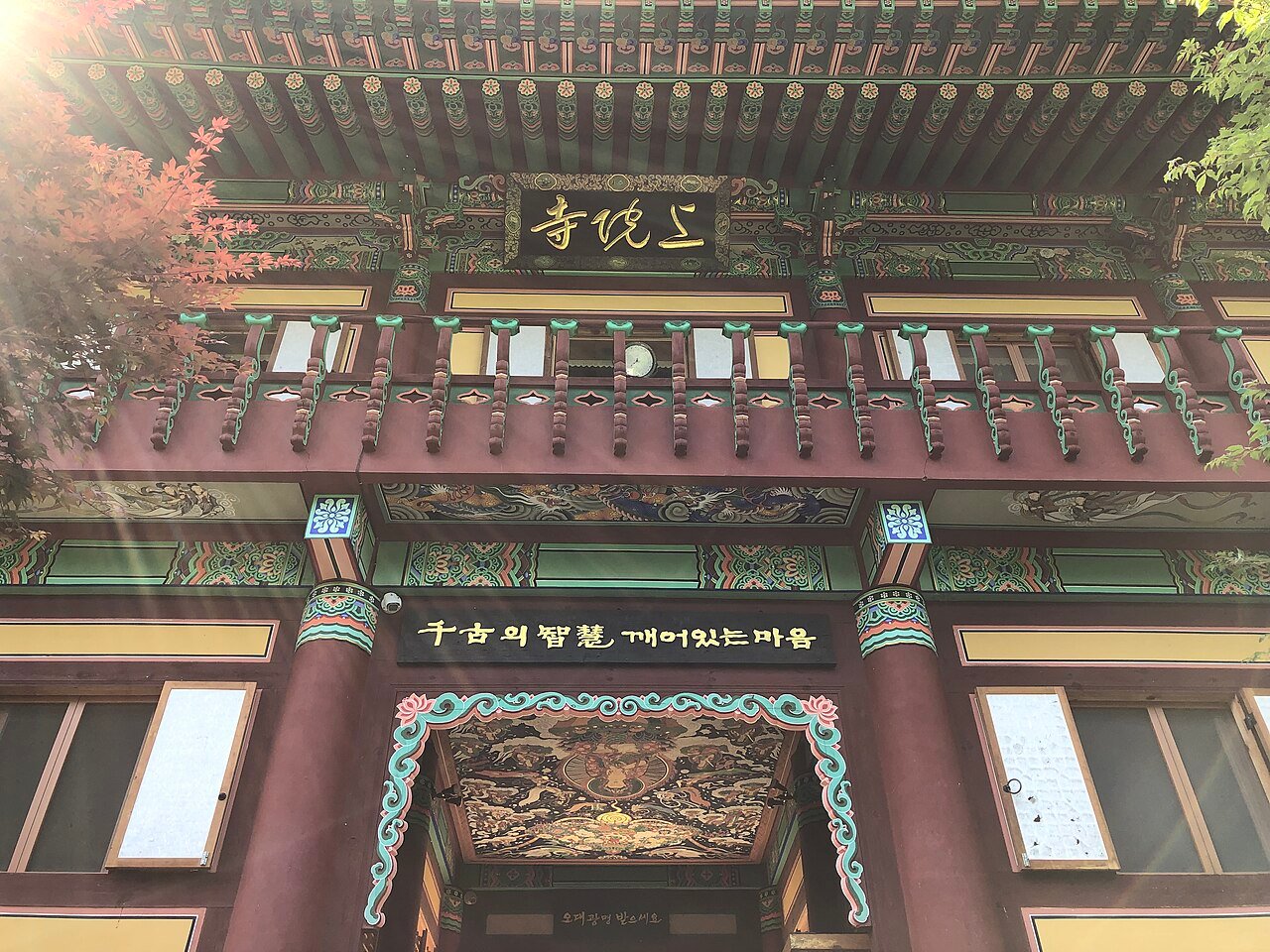
- 12:00 – Explore Woljeongsa and its octagonal nine-story stone pagoda (a National Treasure).
- 12:45 – Lunch: mountain-vegetable bibimbap or a sanchae set meal near the temple.
- 14:00 – Walk part of Seonjae-gil along the stream (the full route to Sangwonsa is about 9 km, 3–4 hours), or take the bus up to Sangwonsa and walk down.
- 17:00 – Back to Jinbu; early dinner, then the 17:04 or 20:01 train to Seoul (check the current timetable).
Highlights of Woljeongsa and Seonjae-gil
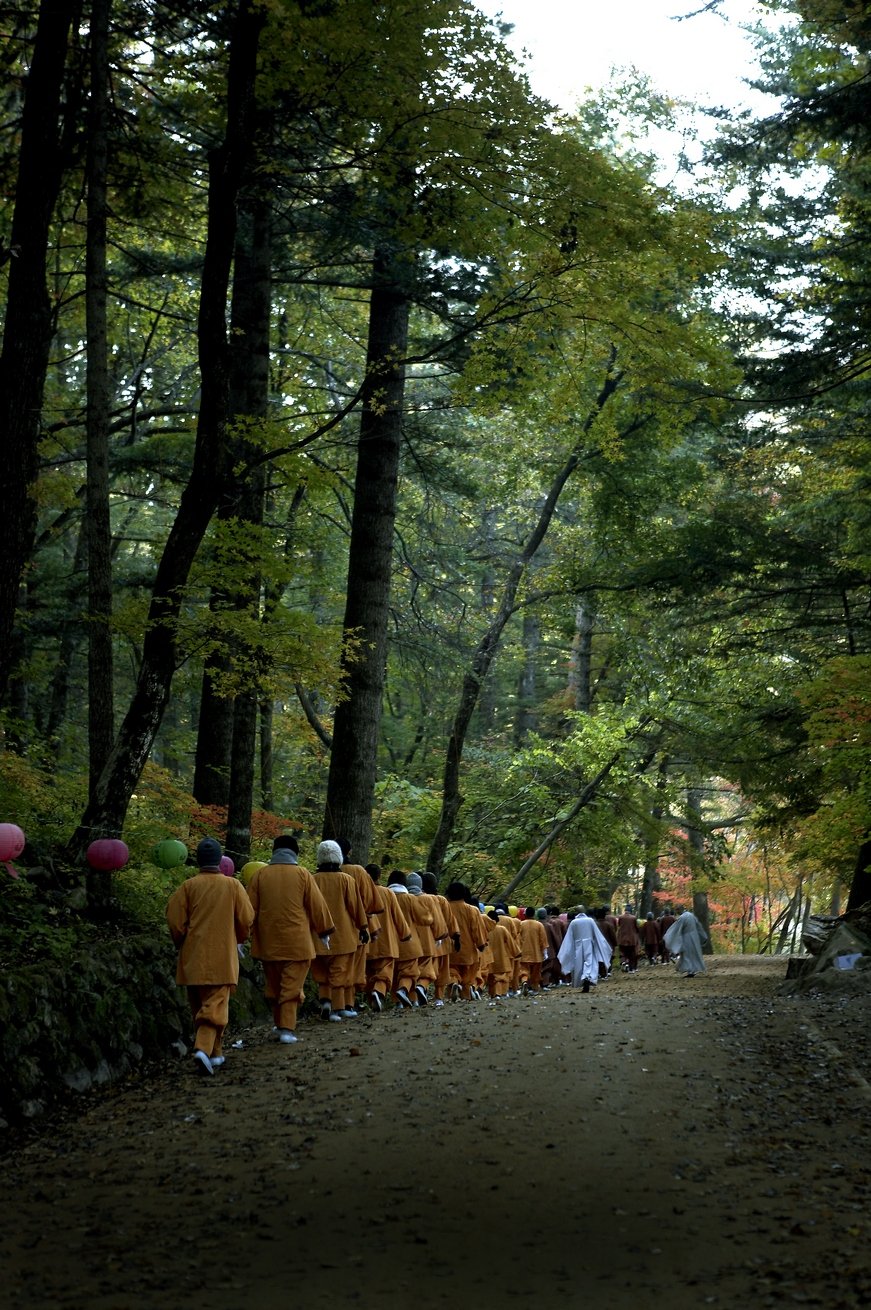
Woljeongsa was founded in 643 by the Silla monk Jajang and is today a head temple of the Jogye Order. Its approach is the reason most people come in fall: a straight, shaded path through old fir trees, where the dark evergreens make the scattered red maples and yellow oaks stand out even more. Benches, a stream and soft dirt underfoot make it an easy walk for any age.
Seonjae-gil follows the old path monks once used between Woljeongsa and Sangwonsa. It crosses the stream on small bridges and stays mostly gentle, so you can walk any section and catch the bus back. In late October, the upper half near Sangwonsa usually colors first, while the lower half near Woljeongsa peaks a few days later. For photos, go early: the morning light comes through the valley at a low angle and the trail is still quiet.
Nearby Attractions
- Sangwonsa and Jeokmyeol Bogung – Sangwonsa, about 9 km above Woljeongsa, holds Korea’s oldest surviving bronze temple bell (cast in 725). A steep 1.5 km climb leads to Jeokmyeol Bogung, one of Korea’s five shrines said to enshrine relics of the Buddha.
- Birobong summit (1,563 m) – For hikers, the trail from Sangwonsa to the top is about 7 km round trip (around 3 hours) with wide ridge views.
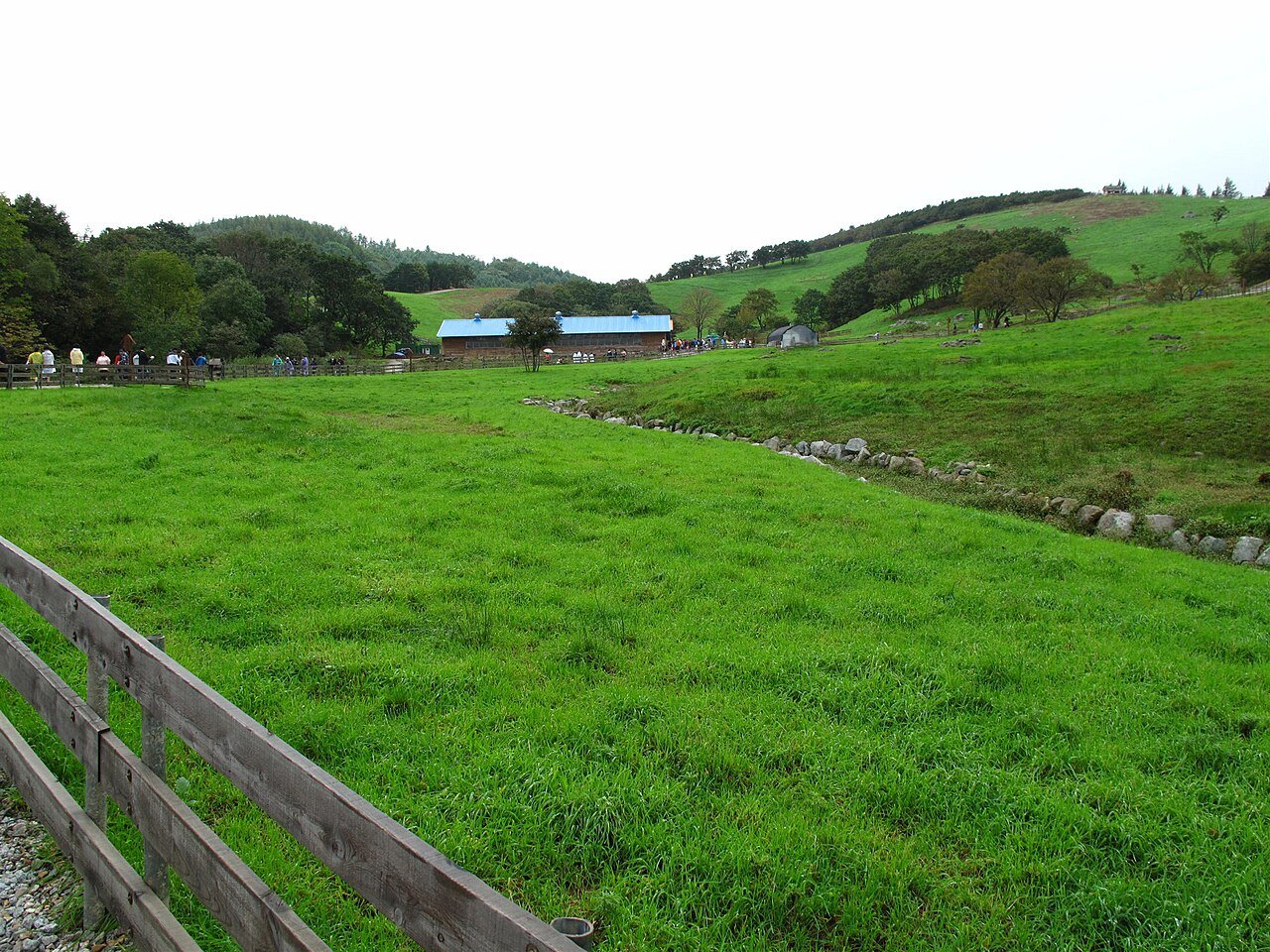
- Daegwallyeong Sheep Ranch – Rolling hilltop pastures about 30 minutes by car from Woljeongsa. Adult ticket about ₩9,000; from October, last ticket at 16:30 and closing at 17:30.
- Hyoseok Culture Village (Bongpyeong) – Home of writer Lee Hyo-seok and Korea’s famous buckwheat fields. The Lee Hyo-seok Literary Museum costs ₩2,000 (09:00–17:30 Oct–Apr, closed Mondays).
Where to Eat Near Odaesan
Pyeongchang is famous for sanchae (wild mountain greens), deodeok root and hwangtae (winter-dried pollack).
- Buil Sikdang (부일식당), Jinbu – A long-running local favorite in Jinbu town for sanchae baekban, a home-style table of a dozen-plus mountain-vegetable side dishes. Sanchae baekban ₩13,000, grilled deodeok ₩15,000, bulgogi ₩10,000. 100-5 Jinbu-jungang-ro, Jinbu-myeon (a short taxi ride from Jinbu Station); tel. 033-335-7232.
- Sansu Myeongsan (산수명산), near Woljeongsa – Mountain-vegetable specialist on the road to the temples. Sanchae bibimbap ₩13,000, sannamul set ₩22,000 per person (2+), hwangtae-guk ₩13,000 and native-chicken stew ₩70,000 (reserve ahead). 13 Odaesan 3-gil, Jinbu-myeon; listed as open year-round; tel. 033-333-3103.
Tips for Visiting
- Go on a weekday during peak foliage; weekend roads to Woljeongsa jam and trains sell out.
- Mornings are cold at 700 m+ in late October (often near 0–5°C); bring a warm layer.
- The fir forest path and lower Seonjae-gil are flat and suit families; Birobong needs hiking shoes.
- Carry T-money or cash for buses, and check the last train to Seoul before you set off up the valley.
- Combine with the coast: Gangneung is only one KTX stop beyond Jinbu if you stay overnight.
Planning more fall trips? Next, see our Seoraksan foliage guide, Naejangsan autumn foliage and Jeonju Hanok Village in autumn.
FAQ
When is the best time to see Odaesan autumn foliage in 2026?
The forecast peak for Odaesan and other central high mountains is about October 16–25, 2026, with lower valleys staying colorful into late October.
How do I get from Seoul to Odaesan by train?
Take the KTX-Eum from Seoul Station to Jinbu (Odaesan) Station (about 1 hr 40 min, ₩21,900), then a ₩1,000 local bus or a taxi to Woljeongsa.
Is there an entrance fee for Woljeongsa or Odaesan National Park?
No. Park entry and Woljeongsa’s former cultural-heritage fee are free; only parking is charged if you drive.
Can I visit Odaesan as a day trip from Seoul?
Yes. With an early KTX you can walk the fir forest path, see Woljeongsa and part of Seonjae-gil, and be back in Seoul by evening.
Sources
- Weather i – 2026 autumn foliage forecast (Sept 4, 2026)
- Star News – KTO 2026 Autumn Foliage Map (Oct 8, 2026)
- Financial News – regional foliage peaks 2026
- KTX timetable/fare listing, Seoul–Jinbu (Odaesan) and Korail
- Pyeongchang rural bus flat ₩1,000 fare (since Sept 2024)
- Wikivoyage – Odaesan National Park
- Daegwallyeong Sheep Ranch 2026 fees/hours · Lee Hyo-seok Literary Museum
- Restaurant menus: Polle place listings; Kakao Map (checked Oct 15, 2026)
Featured image: Odaesan Park in Autumn. Photo: Ken Eckert / Wikimedia Commons, CC BY-SA 4.0. Fares, hours and foliage timing can change; please check before you go.