
Seolleongtang in Seoul is the city’s original comfort food: a milky-white ox bone soup simmered for up to 17 hours, served with rice, thin noodles and a pile of chopped green onions that you season yourself at the table. It is mild, warming and very easy to like, which is why it is one of the best first Korean meals for visitors, especially on a cold November morning. This guide explains what the dish is, what it costs in 2026, and the two places we recommend most: Imun Seolnongtang, which has served the soup since 1904, and Jungnimjang, a 50-year-old local favorite near Seoul Station.
Quick facts: one regular bowl costs about ₩12,000–15,000 (roughly US$9–11) in central Seoul. Imun Seolnongtang (Jonggak Station, Line 1) charges ₩15,000; Jungnimjang (Chungjeongno Station, Lines 2/5) charges about ₩12,000.
What Is Seolleongtang? Taste and Texture
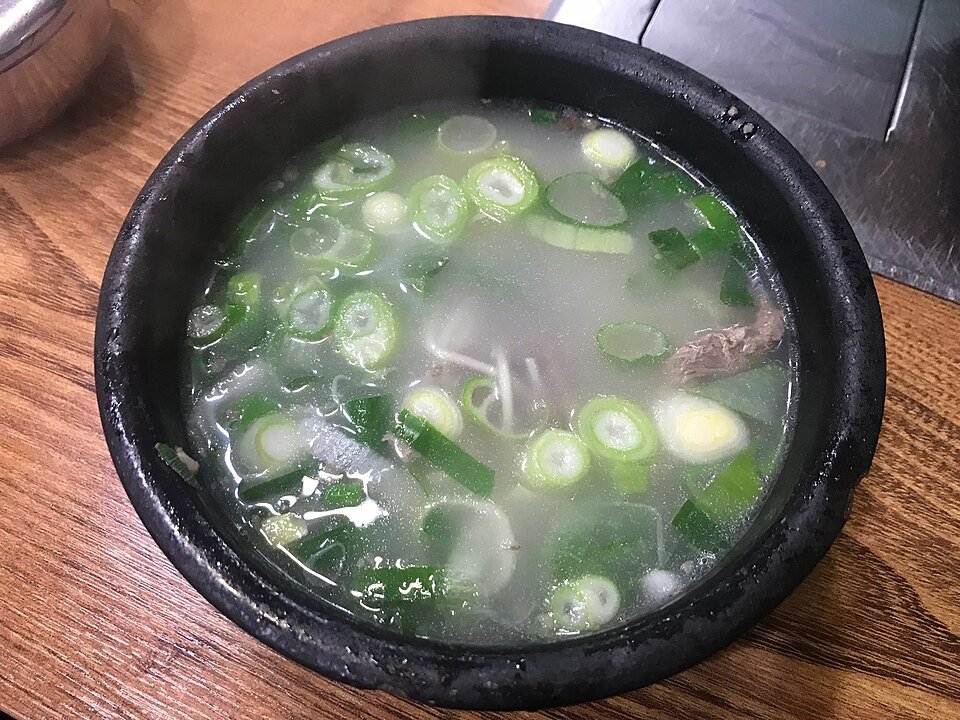
Seolleongtang (설렁탕, also spelled seolnongtang) is a soup made by boiling beef leg bones, brisket and other cuts such as head meat, tongue and knee cartilage for many hours. The long boil pulls collagen and marrow out of the bones and turns the broth an opaque, milky white. At Imun Seolnongtang, for example, the MICHELIN Guide notes that the bones are simmered in a large cast-iron pot for 17 hours, and the fat is skimmed off so the broth tastes clean rather than greasy.
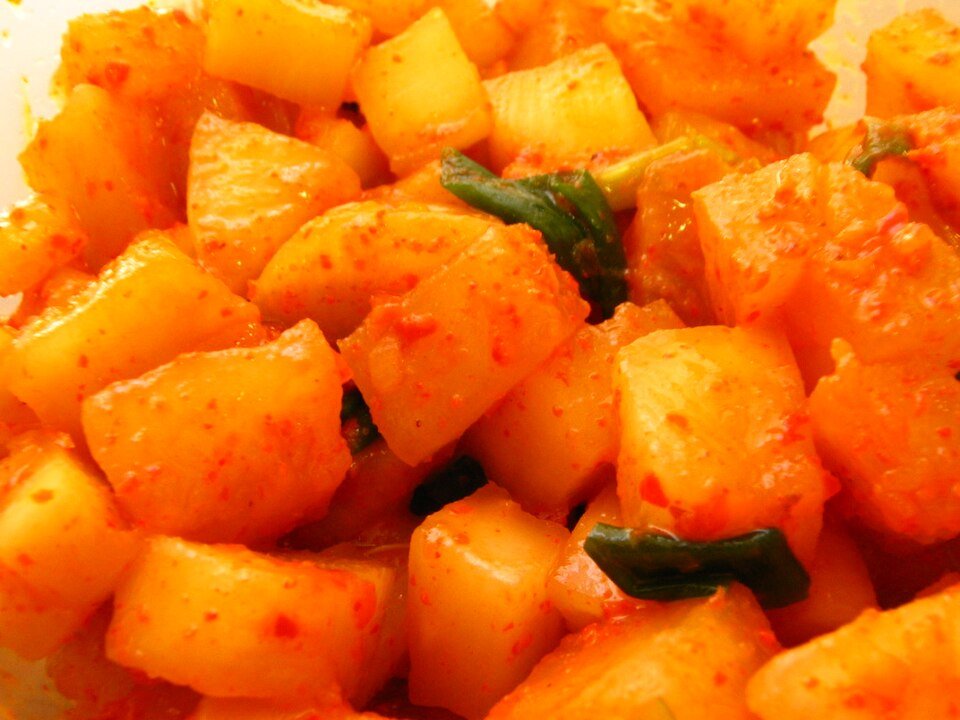
The flavor is deliberately plain. The soup arrives almost unseasoned, with thin slices of beef, a bundle of somyeon (wheat noodles) and a bowl of rice. You add salt, black pepper and as much chopped green onion as you like. As a result, the taste is soft, savory and slightly sweet from the beef, while the texture moves from silky broth to tender meat and slippery noodles. The essential partner is kkakdugi, cubed radish kimchi, whose crunch and acidity cut through the richness. Many Koreans pour a spoonful of the kkakdugi juice straight into the soup.
Seolleongtang is often confused with gomtang. In general, seolleongtang relies more on bones and is cloudy white, while gomtang (for example Hadongkwan’s) is made mainly from meat and is clearer. Both are covered in our Korean soup and stew roundup.
Why Koreans Love Seolleongtang in Seoul
First, it is part of the city’s history. The best-known origin story links the name to Seonnongdan, the Joseon-era altar where the king performed a farming ritual and then shared a beef soup with the crowd; over time “seonnongtang” became “seolleongtang”. Food historians treat this as a theory rather than a fact, but it explains why the dish feels so tied to Seoul. According to Seoul’s own media hub, seolleongtang restaurants spread around Namdaemun from the early 1900s, and the Seoul Metropolitan Government chose seolleongtang as the first food on its Seoul Future Heritage list.
Second, it is honest everyday food. Koreans eat it for breakfast after a late night, for a quick lunch near the office, and when they feel tired or under the weather, because a hot bowl of bone broth is considered restorative. Furthermore, many old seolleongtang shops open early in the morning precisely because the broth has been cooking all night.
Why International Visitors Love It
For travelers, seolleongtang solves several problems at once. It is not spicy, so it suits anyone who is still getting used to chili-heavy Korean food. The menu at a traditional shop is often a single item, so ordering is easy even without Korean. And it is a real piece of heritage: Imun Seolnongtang is widely described as the oldest operating restaurant in Korea, and it is listed in the 2026 MICHELIN Guide Korea. Seolleongtang specialists also appear regularly in the MICHELIN Guide Seoul, which keeps the dish on visitors’ radar. Finally, the soup is filling and good value compared with a barbecue dinner, which makes it an ideal breakfast before a day of sightseeing in Jongno or around Seoul Station.
Seolleongtang Price in Seoul (2026)
Seolleongtang is not one of the eight dishes tracked by Korea’s Chamgagyeok dining-out price survey, so there is no official city average. Instead, the table below uses current menu prices from well-known shops. In short, expect ₩12,000–15,000 (about US$9–11) for a regular bowl in central Seoul, ₩15,000–18,000 for a “teuk” (large/special) bowl, and ₩40,000 and up for a platter of boiled beef (suyuk). Exchange rate used: about ₩1,360 per US$1 (November 2026).
| Restaurant (area) | Regular bowl | Other items |
|---|---|---|
| Imun Seolnongtang (Jongno) | ₩15,000 (~US$11) | Special ₩18,000; Hanwoo ₩20,000; doganitang ₩18,000; suyuk platter ₩54,000 |
| Jungnimjang (Jung-gu, near Seoul Station) | ~₩12,000 (~US$9) | Special ₩15,000; oxtail soup ₩18,000; brisket suyuk ₩40,000 |
| Oegojip Seolleongtang (Gangnam, bonus) | ₩13,000 (~US$10) | Yukgaejang ₩17,000; large suyuk ₩75,000 |
Prices come from Polle menu listings and a Siksin/Daum report (January 2026); shops change prices without notice, so treat them as a guide.
1. Imun Seolnongtang (이문설농탕) — Seoul’s Oldest Restaurant, Since 1904
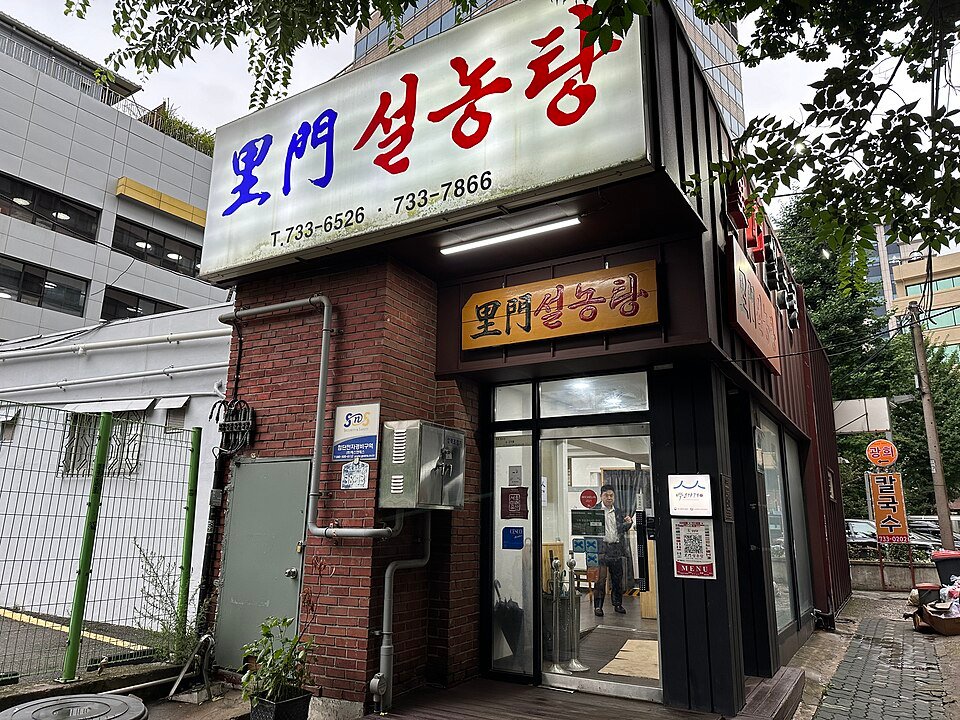
Hidden in a side street between Jonggak and Insadong, Imun Seolnongtang opened in 1904 and is often called the oldest restaurant still operating in Korea; the MICHELIN Guide describes it as the first officially registered restaurant in Seoul. The room is simple and busy, and the broth is pure and lightly beefy. Besides the regular bowl, regulars order meoritang (head-meat soup) or the house mana (beef spleen) slices, but first-timers should simply get the standard seolleongtang.
- Address: 38-13 Ujeongguk-ro, Jongno-gu, Seoul (서울 종로구 우정국로 38-13)
- Nearest station: Jonggak Station (Line 1), about 340 m / 5 minutes on foot (Kakao Map); also close to Anguk and Jongno 3-ga
- Hours: Mon–Sat 08:00–15:00 and 16:30–21:00; Sun 08:00–15:00 and 16:30–20:00 (break 15:00–16:30) — MICHELIN Guide
- Price: seolnongtang ₩15,000, special ₩18,000, Hanwoo seolnongtang ₩20,000, meoritang ₩17,000 (Polle)
- Phone: +82 2-733-6526
- Map: Kakao Map
2. Jungnimjang (중림장) — 50 Years of Seolleongtang Near Seoul Station
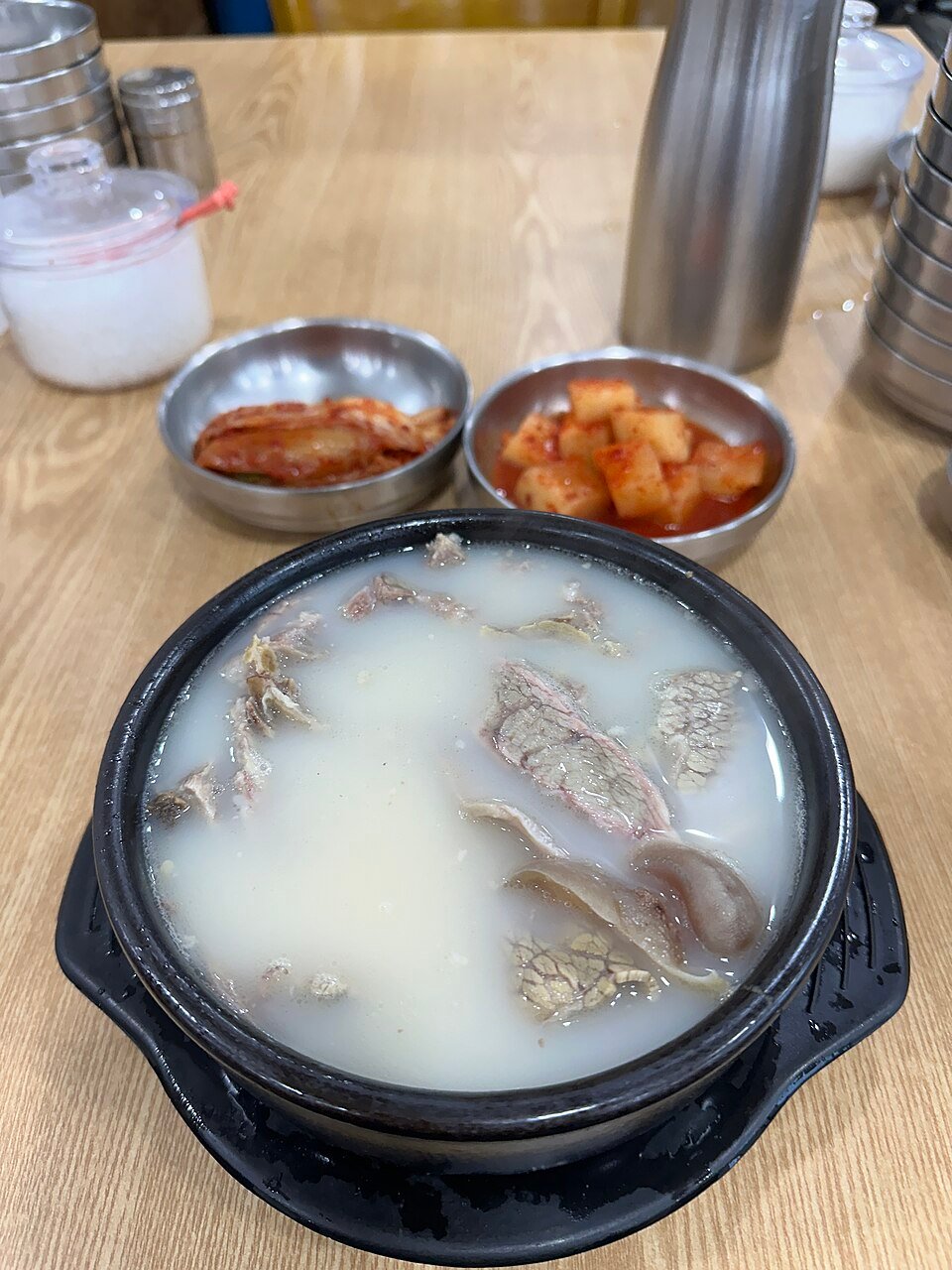
Jungnimjang sits on Cheongpa-ro between Chungjeongno and Seoul Station, in the old Jungnim-dong neighborhood next to Seosomun. It has been serving seolleongtang for around 50 years, and it is a classic office-worker and taxi-driver spot: fast, filling and cheaper than the famous names. The broth is rich and slightly heavier than Imun’s, and the oxtail soup (kkoritang) is a good upgrade on a cold day. Because it opens at 9 a.m., it also works well as breakfast before catching a train or the airport railroad at Seoul Station.
- Address: 459-1 Cheongpa-ro, Jung-gu, Seoul (서울 중구 청파로 459-1)
- Nearest station: Chungjeongno Station (Lines 2/5), about 460 m / 7 minutes on foot; Seoul Station about 15 minutes (Kakao Map)
- Hours: Mon–Fri 09:00–22:00 (break 15:30–17:00); Sat–Sun 09:00–21:00 (Siksin via Daum, January 2026)
- Price: seolleongtang about ₩12,000 (Polle; Siksin’s January 2026 list showed ₩10,000), special ₩15,000, oxtail soup ₩18,000, brisket suyuk ₩40,000
- Phone: +82 2-392-7743
- Map: Kakao Map
Bonus in Gangnam: Oegojip Seolleongtang (1F, 555 Samseong-ro, near COEX and Starfield Library) is a MICHELIN-recommended option with a premium beef focus; ₩13,000 a bowl, Mon–Sat 11:00–21:00, closed Sunday (Siksin, January 2026).
How to Order and Eat Seolleongtang
- Order by name: say “seolleongtang hana juseyo” (one seolleongtang, please). “Teuk” means a larger portion with more meat.
- Taste before seasoning: the broth is unsalted on purpose. Add salt a pinch at a time, then pepper.
- Add green onions generously: the chopped scallions on the table are free and are what make the soup taste fresh.
- Use the kimchi: eat kkakdugi between spoonfuls, or add a little of its juice to the broth for color and tang.
- Rice in or out: many Koreans tip the rice into the soup (tomalli) halfway through; you can also eat it on the side.
- Timing: go before 11:30 or after 13:30 to avoid office lunch queues, and remember the afternoon break times.
If you enjoy bone-broth soups, try our guides to gamjatang, sundae-guk and chueotang next.
FAQ: Seolleongtang in Seoul
Is seolleongtang spicy?
No. Seolleongtang is one of the mildest Korean dishes. The broth is unseasoned, and the only heat comes from the kimchi served on the side.
How much does seolleongtang cost in Seoul in 2026?
A regular bowl costs about ₩12,000–15,000 (roughly US$9–11) in central Seoul. Imun Seolnongtang charges ₩15,000 and Jungnimjang about ₩12,000.
What is the difference between seolleongtang and gomtang?
Seolleongtang is made mainly from beef bones and is milky white, while gomtang relies more on meat and usually has a clearer broth. Both are mild beef soups served with rice.
Can I eat seolleongtang for breakfast in Seoul?
Yes. Imun Seolnongtang opens at 8 a.m. and Jungnimjang at 9 a.m., and seolleongtang is a traditional Korean breakfast or hangover meal.
Sources
- MICHELIN Guide — Imun Seolnongtang (hours, 17-hour broth)
- Seoul Media Hub — Seolleongtang as Seoul Future Heritage (2018)
- KOREA webzine — Seolleongtang, Seoul’s specialty (Dec 2019)
- Siksin via Daum — five classic seolleongtang restaurants (Jan 9, 2026)
- Polle — Imun Seolnongtang menu · Polle — Jungnimjang menu
- Seoulsearching — Michelin Guide seolleongtang in Seoul
- Banque de France daily parities, Nov 6, 2026 (≈₩1,359 per US$)
Featured image: Seolleongtang2024.jpg — Photo: Kimhs5400 / Wikimedia Commons, CC BY 4.0.