
Chueotang in Seoul is one of the city’s most satisfying autumn bowls: a thick, peppery loach soup that Koreans have eaten for centuries to “recharge” when the weather turns cold. If you have already tried samgyetang or gamjatang, this is the next soup to add to your list. Below you will find what it tastes like, what it costs in 2026, and two well-known places to eat it.
What Is Chueotang? Taste and Texture
Chueotang (추어탕) is a soup made from mikkuraji, the freshwater pond loach. The name even hints at the season: the Chinese character for loach (鰍) combines “fish” and “autumn,” because the fish is plumpest in fall. In most restaurants the loach is boiled, ground and strained, so you will not see a single bone, only a rich, brown broth thickened with doenjang (soybean paste), dried radish greens (siraegi), bean sprouts and green onion.
The flavor is earthy, savory and slightly nutty, closer to a hearty vegetable-and-miso stew than to a “fishy” soup. Each table gets three toppings: chopi (Korean prickly ash powder), which adds a citrusy, tingly kick; perilla seed powder for creaminess; and chopped garlic chives. Add them a little at a time until it tastes right to you.
There are two main styles. Namwon or Namdo style (from the south-west) grinds the fish and uses doenjang and perilla, and it is the version most visitors meet first. Seoul style, sometimes called chutang, is a spicier beef-broth soup with tofu and mushrooms, often served with the loach left whole.
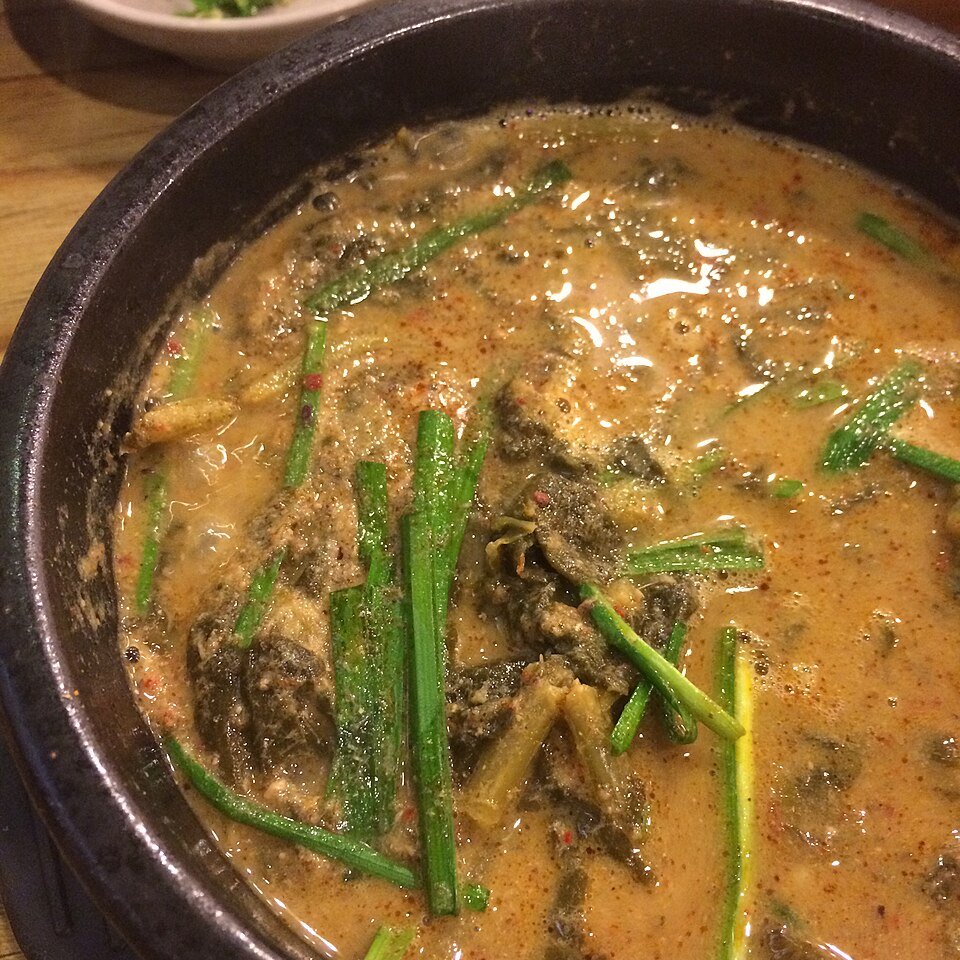
Photo chomjong Wikimedia Commons CC BY 20

Why Koreans Love It, and Why Visitors Do Too
For Koreans, chueotang is a classic boyangsik (stamina food). Regional newspaper Jeonbuk Ilbo describes Namwon’s loach soup as a cheap but nutritious autumn tonic that kept working people going, and the city of Namwon still runs a whole street of chueotang restaurants. Older diners call it a “filial-piety food” because it was what you bought your parents after the harvest.
Visitors like it for different reasons. First, it is a real local dish rather than a tourist menu, and one long-running Seoul shop, Yonggeumok, holds a MICHELIN Guide Bib Gourmand in the 2026 Korea edition. Second, the ground style is very approachable: no bones, a creamy broth, and a bowl of rice for about the price of a sandwich. Finally, it is filling and warm, so it is ideal after a cold day of palace walks or hiking.
How Much Does Chueotang Cost in Seoul in 2026?
Seoul’s official price-tracking service does not publish an average for chueotang, so here are current menu prices from the restaurants below:
| Item | Typical price (2026) | Approx. USD |
|---|---|---|
| Chueotang, one bowl with rice | ₩12,000–15,000 | $9–11 |
| Abalone chueotang | ₩20,000 | $15 |
| Fried loach (mikkuraji twigim) | ₩15,000–18,000 | $11–13 |
USD values use about ₩1,340 to $1 and are rounded.
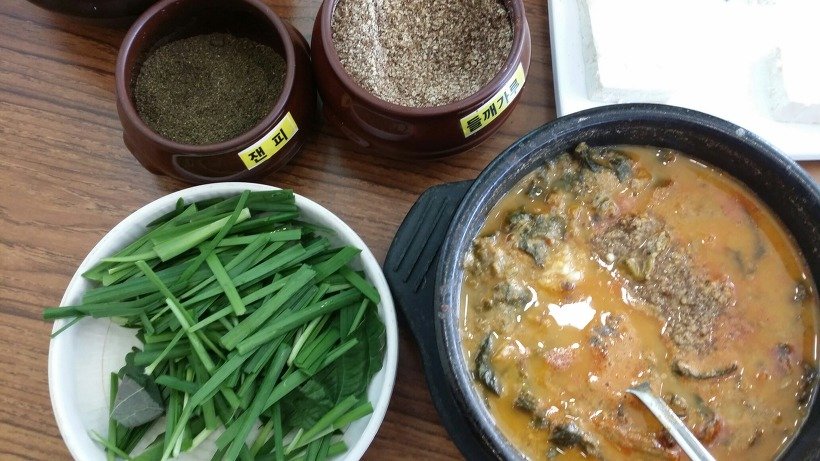
Photo 도매지기 Wikimedia Commons CC BY 40

2 Best Places to Eat Chueotang in Seoul
1. Yonggeumok (용금옥) — Seoul-Style Chueotang Since 1932
Yonggeumok traces its history to 1932 and is one of Seoul’s oldest restaurants still serving loach soup. The MICHELIN Guide lists the Jongno shop as a Bib Gourmand and notes that it serves both a Seoul-style bowl with whole loach and a Namdo-style ground version all year. Expect a small, old-fashioned dining room, regulars drinking soju at lunch, and a peppery, beef-based broth.
- Address: 41-2 Jahamun-ro, Jongno-gu, Seoul (Seochon area)
- Nearest subway: Gyeongbokgung Station (Line 3), about a 5–7 minute walk
- Price: Seoul chueotang ₩13,000; mixed jeon (pancakes) ₩30,000
- Hours: Mon–Fri 11:30–15:00 and 17:00–21:00, Sat 11:30–20:00, closed Sunday (MICHELIN Guide)
- Phone: +82-2-777-4749
- Note: Another Yonggeumok in Dadong (24-2 Dadong-gil, Jung-gu, near City Hall) shares the same roots but runs independently; its chutang is ₩12,000.
- Map: Kakao Map
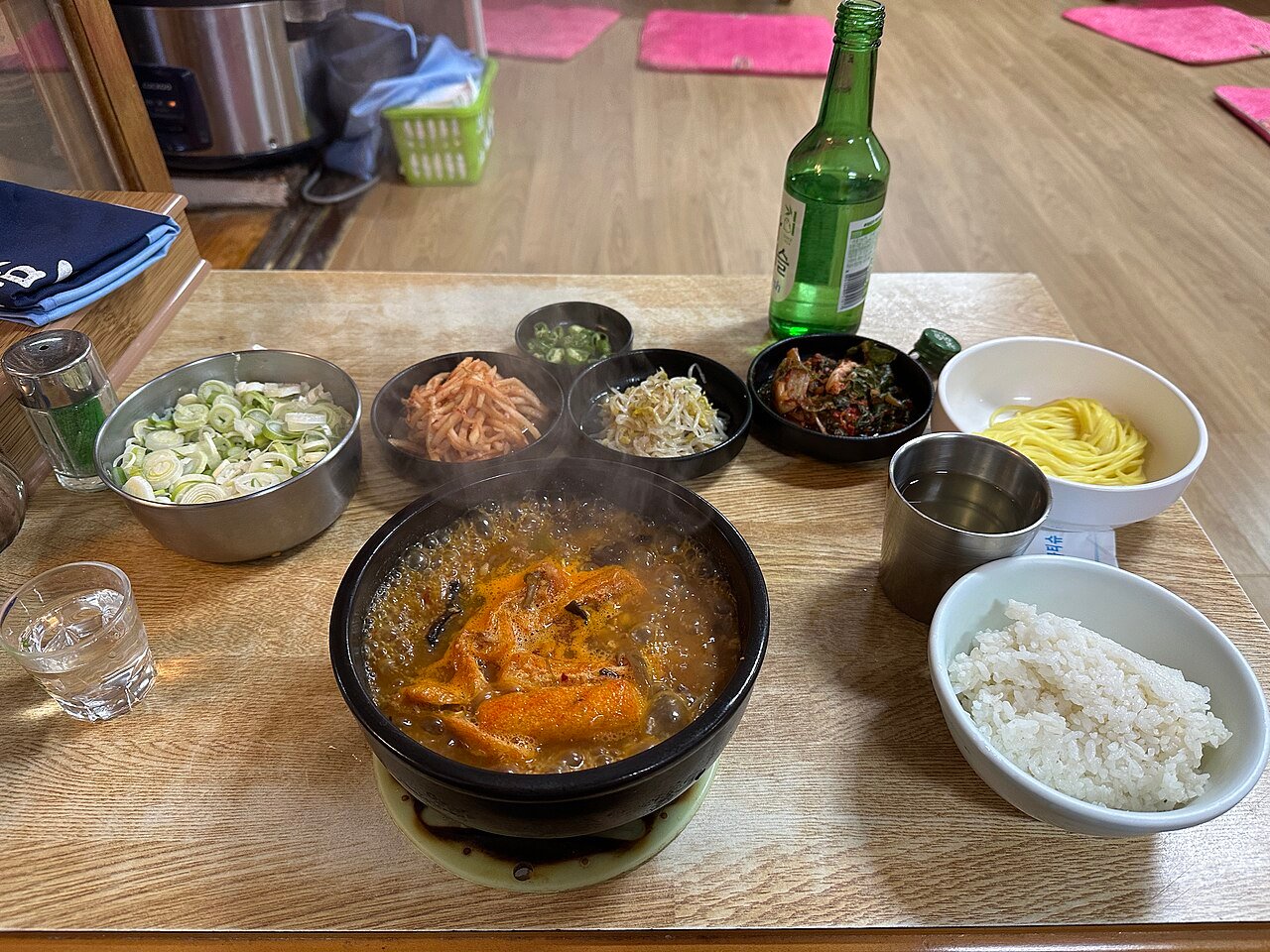
Photo Seefooddiet Wikimedia Commons CC BY SA 40

2. Wonju Chueotang Gangnam Main Branch (원주추어탕 강남본점)
For the creamy ground style, this Gangnam favorite near Sinnonhyeon is a reliable choice for office workers. You can order the soup “ground” (galaseo) or with whole fish (tongmari), and the abalone version is a popular upgrade. The crispy fried loach makes a good side dish to share.
- Address: 1F Isu Building, 3 Bongeunsa-ro 2-gil, Gangnam-gu, Seoul
- Nearest subway: Sinnonhyeon Station (Line 9) or Gangnam Station (Line 2), about 5–10 minutes on foot
- Price: ground chueotang ₩14,000; whole-fish ₩15,000; abalone ₩20,000; fried loach ₩15,000
- Hours: Mon–Fri 09:30–22:00, Sat 09:30–21:00, closed Sunday (Hot Siksin, Oct 2025, so please check before visiting)
- Phone: 02-557-8647
- Map: Kakao Map
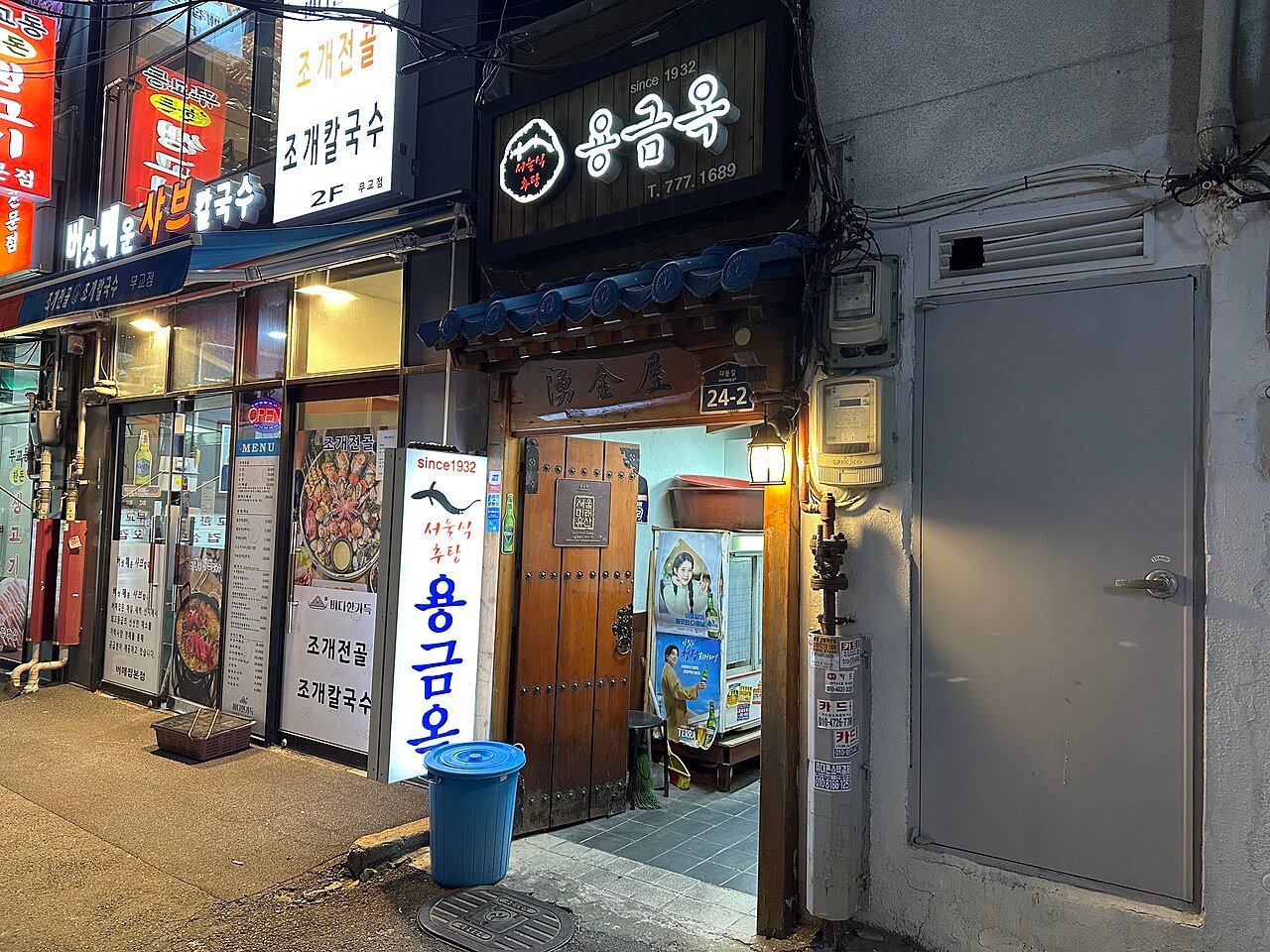
Photo Seefooddiet Wikimedia Commons CC BY SA 40

How to Order and Eat Chueotang
- Choose your style. First-timers usually prefer galaseo (ground). If you want to see the fish, ask for tongmari (whole).
- Season it yourself. Start with a pinch of chopi; it is strong and makes your lips tingle. Then add perilla powder and chives.
- Add the rice. Many Koreans tip half the rice into the soup once it has cooled a little.
- Eat it at lunch. Old shops are busiest from noon to 1 p.m. and some close between lunch and dinner.
- Pair it well. Fried loach and a bottle of makgeolli or soju are the classic combination.
Hungry for more Korean soups? Try doenjang jjigae or sundae-guk next.
FAQ: Chueotang in Seoul
Is chueotang fishy or full of bones?
Not usually. In the common ground style, the loach is boiled, puréed and strained, so the soup is smooth and boneless, and doenjang and perilla hide any fishy taste.
How much is chueotang in Seoul?
Most restaurants charge ₩12,000–15,000 (about $9–11) for a bowl with rice and side dishes in 2026. Premium abalone versions cost about ₩20,000.
What is the difference between Seoul-style and Namwon-style chueotang?
Namwon (Namdo) style is a ground loach soup with doenjang, siraegi and perilla. Seoul style, or chutang, is a spicier beef-broth soup with tofu and mushrooms, often with whole loach.
When is the best time to eat chueotang?
Autumn is the traditional season, since the loach is at its best then, but Seoul restaurants serve it all year, especially as a warming lunch in late autumn and winter.
Sources
- MICHELIN Guide — Yonggeumok (Bib Gourmand, 2026)
- Hot Siksin — Chueotang restaurants (Oct 26, 2025)
- Polle — Yonggeumok Dadong menu
- Polle — Wonju Chueotang Gangnam menu
- Jeonbuk Ilbo — Namwon’s autumn tonic, chueotang (2018)
- Kakao Map place listings (checked Nov 6, 2026)
Featured photo: Mar del Este / Wikimedia Commons, CC BY-SA 4.0 (chueotang in Gangjin, Jeollanam-do).